
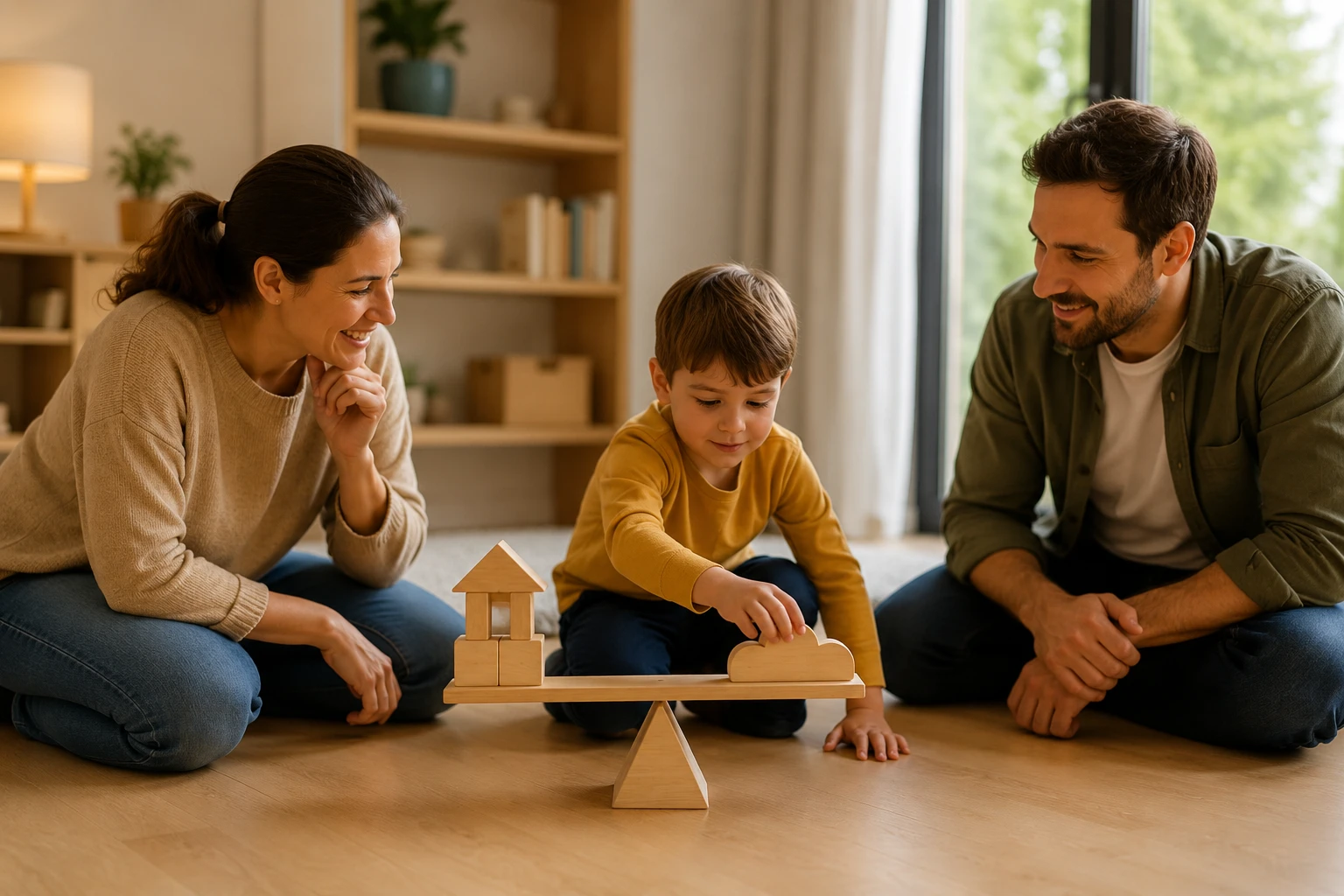
Most parents hit a wall at some point. You want your kids to feel secure, but you also want them to think for themselves. That tension sits right at the centre of the balance between structure and freedom in parenting.
There are four main parenting styles, and each one handles that balance differently. Some rely heavily on rules, while others give children more freedom to take the lead. But most of us fall somewhere in between, learning as we go along.
This article breaks down what the research actually says, what different parenting styles look like in real life, and how to find an approach that works for your family.
Parenting Structure vs Freedom: What’s the Real Difference?
Structure gives kids predictability; freedom gives them room to grow. Most parents struggle to find the right mix of both, and that mix looks different in every home.
The best parenting styles all sit somewhere on that scale. Both extremes cause real problems. Too much control can limit a child’s ability to think independently. With limitless freedom, children often feel lost without proper guidance.

How Authoritative Parenting Hits the Sweet Spot
Of all the parenting approaches out there, authoritative parenting is the one that consistently comes out on top. Without being the “fun parent” or the “strict parent,” it sits right in the middle, and that is exactly what makes it work.
What Makes the Authoritative Parenting Style Work
The great part about authoritative parenting is that kids feel understood and supported, which encourages future cooperation.
Here is what sets authoritative parents apart from the rest:
- Warm but Firm Boundaries: Authoritative parents set clear expectations while staying genuinely open to their child’s feelings and perspective.
- Flexibility With Structure: This style balances rules with room to breathe, so children feel guided without feeling controlled or unheard. Authoritative parents tend to adjust their approach as their kids grow, which keeps the parent-child relationship strong.
- Proven Positive Outcomes: Research shows authoritative parenting is consistently linked to better emotional health, stronger self-discipline, and fewer behavioral issues in children.
Kids raised with this style don’t just follow rules. They actually understand why the rules exist in the first place.
Authoritarian Parenting: When Rules Crowd Out Connection
What happens when a household runs more like a courtroom instead of a home? The impact on kids runs deeper. Kids often become anxious, withdrawn, or overly cautious, more focused on avoiding mistakes.
Not every strict household looks the same. So, let’s look at what authoritarian parenting typically brings to the table:
- Obedience Over Understanding: Authoritarian parents prioritize compliance above everything else, leaving little room for a child’s voice or feelings in daily life.
- Long-Term Emotional Cost: Children raised under the authoritarian parenting style often struggle with low self-esteem and emotional regulation. Kids in these households rarely get the chance to voice their feelings, so they never fully learn how to process negative emotions in a healthy way.
- Control vs. Cooperation: The difference from the authoritative parenting style comes down to tone. One enforces strict rules and demands compliance. Whereas the other earns cooperation through open communication.
Authoritarian parenting can feel effective in the short term. Over time, though, it tends to chip away at a child’s confidence and their trust in the parent-child relationship.

What Helicopter Parenting and Free Range Parenting Look Like in Real Life
Most parents have been called one or the other at some point. Helicopter parenting and free range parenting sit at opposite ends of the scale, and both say a lot about how we think children learn best.
Helicopter parents hover over every decision. They step in before a problem even develops, which blocks kids from building problem-solving skills through natural mistakes and consequences. It comes from a good place, but it can hold children back.
Free-range parenting flips that entirely. Permissive parents give their children more independence, trusting them to take age-appropriate risks and make their own choices. It sounds freeing, but without clear boundaries, children often struggle with self-regulation and knowing their limits.
Can Too Much Structure Hurt Child Development?
Structure is genuinely helpful. But when it takes over every corner of a child’s day, it starts working against them. Many parents don’t notice the tipping point until the signs are already showing up.
Emotional Regulation and Why It Needs Room to Grow
Kids learn to manage emotions by experiencing them. Emotional regulation doesn’t develop on its own.
It needs the right conditions, like:
- Frustration as a Teacher: Kids develop emotional regulation by facing small frustrations and working through them without a parent stepping in to fix everything immediately.
- The Overscheduled Trap: When every hour is planned, and every problem is solved, kids never get the chance to sit with discomfort. That gap shows up later, in meltdowns over small setbacks, difficulty adjusting to change, and poor self-regulation in group settings like school.
- Where Skills Actually Form: Think about a Saturday with no plans. Two siblings argue over a board game, get frustrated, and eventually work it out on their own. That messy, unstructured moment does more for a child’s emotional growth than most structured activities.
Children learn to handle negative emotions best in a safe environment where adults step back and let the process happen. Effective coping strategies don’t come from being sheltered. They come from being allowed to struggle a little.
Behavioral Issues That Stem From Too Little Freedom
Giving kids more autonomy does not mean giving up control. It actually reduces the daily battles most parents are exhausted by.
Take a look at what happens when children have no room to make their own choices:
- Acting Out for Control: Children with no autonomy often act out behaviorally as the only way to assert any control over their own lives and choices.
- Anxiety and Defiance: Behavioral issues like defiance and increased anxiety frequently trace back to environments built on excessive rules and zero flexibility. When children have no room to make choices, that frustration surfaces as meltdowns or outright refusal. Over time, it chips away at a child’s self-esteem in ways that aren’t always visible.
- Small Choices, Big Results: In our experience, something as simple as letting kids pick their after-school snack or choose their homework order. Children become more cooperative, more confident, and gradually build self-discipline.
Children tend to rise to the level of trust placed in them. Behavioral problems often shrink when kids feel genuinely respected and heard at home.
How Children Thrive With Emotional Support and Healthy Boundaries
Children thrive when they feel safe enough to make mistakes and supported enough to try again without fear of harsh judgment. That kind of environment takes consistent emotional support and boundaries that actually make sense to a child.
Parental support means validating a child’s emotional experience even when you’re redirecting or correcting their behavior. Kids who grow up with that kind of nurturing relationship develop stronger self-confidence and healthier social skills gradually.
Clear boundaries paired with genuine warmth give children something they really need: a sense of security that lets them explore, take risks, and grow into their own person. Positive discipline is essentially built on the parent-child relationship.

Emotional Well-Being Across the Ages: A Quick Breakdown
The level of structure a child needs tends to shift as they grow. This quick breakdown shows where the balance should sit at each stage:
| Age Group | Structure Needed | Freedom Needed |
| Toddlers (1–3) | High | Low |
| Early Childhood (4–6) | High | Moderate |
| School-Age (7–10) | Moderate | Moderate |
| Tweens (11–13) | Moderate | High |
| Teens (14+) | Low | High |
Toddlers need heavy structure and gentle guidance to feel secure. Whereas. school-age children grow best with increasing choices within firm limits, building self-control and delayed gratification.
Tweens need more room and less micromanagement. Here, pulling back gradually supports healthy emotional well-being and independent decision-making. It also encourages intrinsic motivation and the kind of self-sufficient thinking that carries into adulthood.
Your Kids Don’t Need Perfect; They Need You
No parenting approach gets it right every single day. What children raised in warm, communicative homes remember most isn’t a perfect schedule or a flawless set of rules. They remember feeling understood.
The authoritative style doesn’t have all the answers. So, stay open, keep honest communication, and give kids enough room for real self-expression. Plus, maintain clear expectations and consistent guidance.
Your kids don’t need a perfect parent. So start small. Pick one area where you can be less strict, or build one small daily routine. A little shift in how you balance structure and freedom, and those small changes make meaningful progress. For further suggestions, contact our team.