
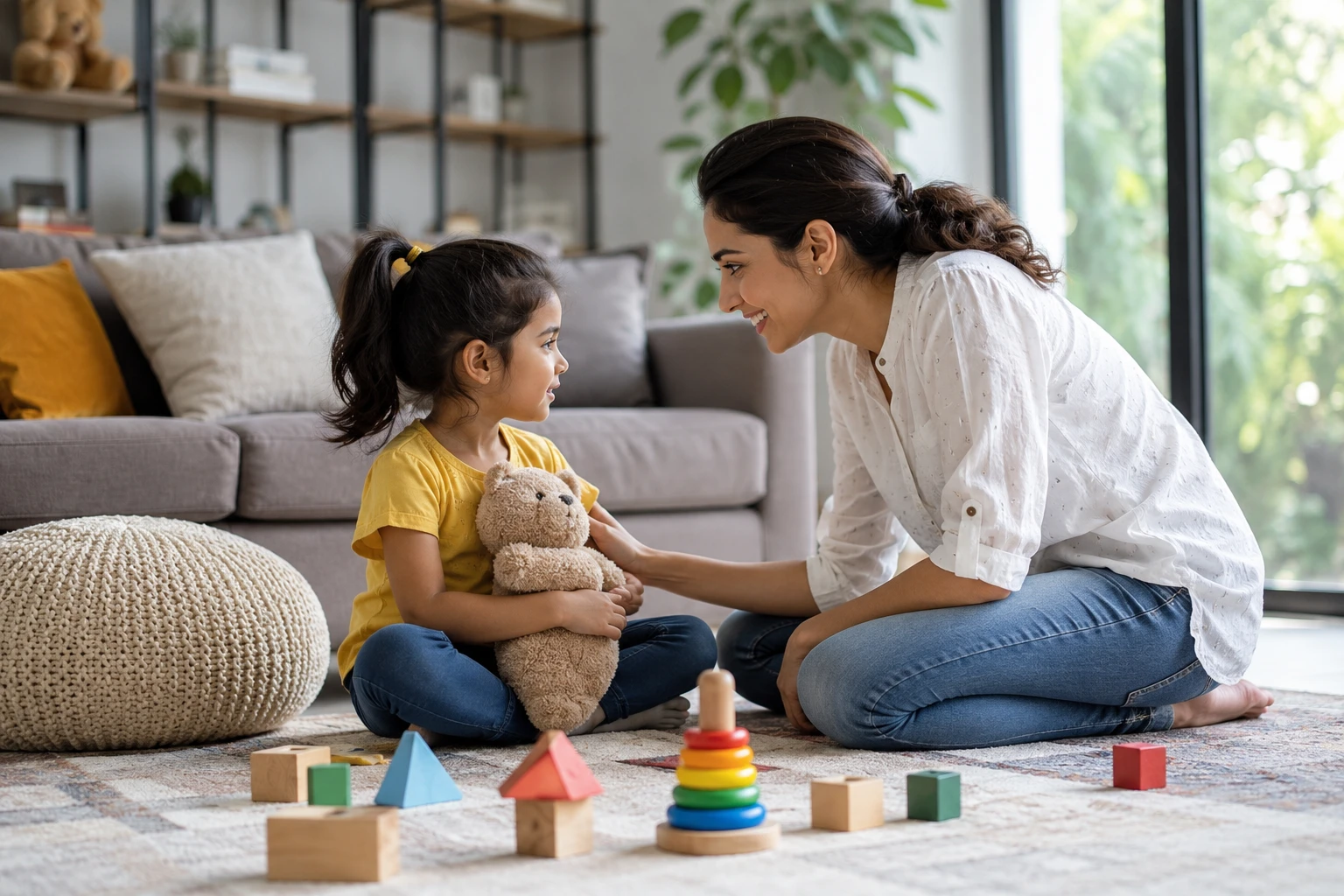
Most parents keep a close eye on their child’s grades, reading progress, and test scores. Those things matter, but emotional development determines how kids handle friendships, setbacks, and everything in between.
The truth is, feelings don’t take a back seat to academics. When children develop strong emotional skills, they often perform better in school and build healthier friendships. This also enhances their confidence as they grow up. As a result, when families support this early on, it really gives kids a strong head start.
At Litill, we focus on children’s wellness from the inside out. This guide walks you through what emotional development looks like, why it matters, and what you can do to support it at home.
Emotional Development: Children in Early Childhood
Emotional development is how children learn to recognize, express, and manage their own emotions over time. It starts earlier, often in the first few months of life, and builds steadily through early childhood.
Within this developmental process, children acquire a broad set of emotional and social skills. This includes identifying feelings, understanding how others feel, and learning to respond rather than just react. Over time, emotional intelligence grows through everyday moments, play, and the relationships children build with caregivers around them.
These early experiences lay the groundwork for mental health, self-regulation, and how children connect with the world as they grow.
The Link Between Mental, Emotional, and Academic Growth
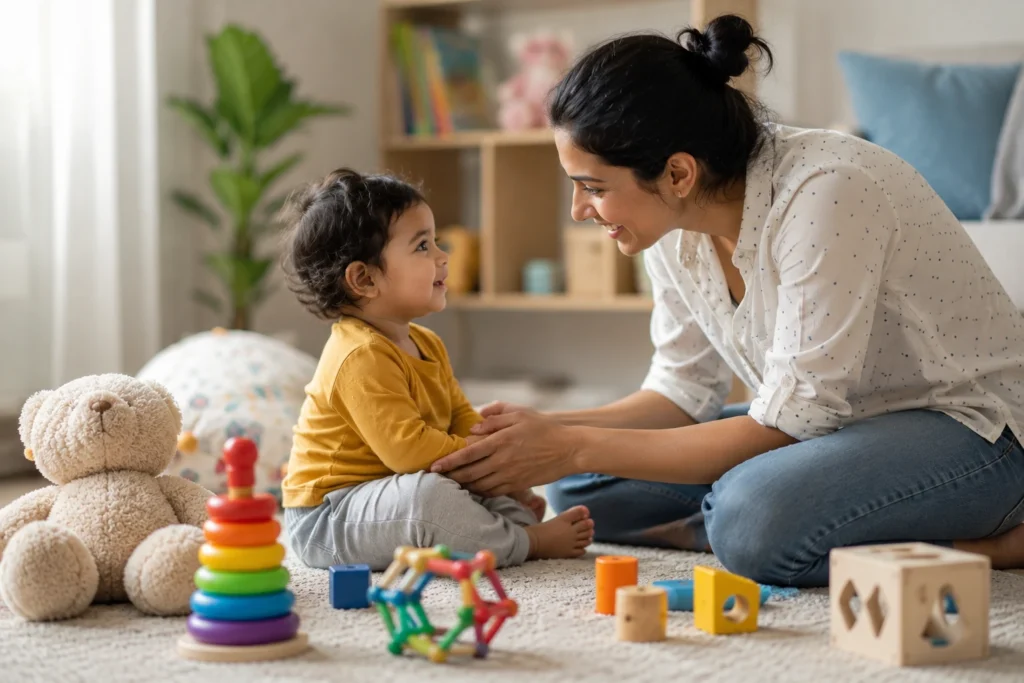
Children don’t leave their feelings at the classroom door. This means that how they manage emotions directly affects how they learn, behave, and get along with teachers and other kids at school. Some of the aspects discussed below:
How Emotional Regulation Skills Impact Classroom Behavior
Emotional regulation skills help children stay calm, focused, and ready to learn. Without them, small frustrations, a wrong answer, or a loud classroom can completely derail a child’s focus for the rest of the lesson.
Therefore, kids who feel frustrated but know how to handle it recover faster. They stay in their seats, finish tasks, and build stronger relationships with teachers over time. That kind of impulse control starts with small, repeated practice.
When Kids Can Label Emotions, Learning Gets Easier
Most kids act out because they simply don’t have the words for what they feel. Once they learn to label emotions, though, something shifts. They feel less overwhelmed, communicate more clearly, and spend less energy on big reactions.
Putting feelings into words helps a child slow down before reacting. And that one small pause makes a major impact inside the classroom.
Milestones Parents Should Know About
Emotional milestones in early childhood follow a general pattern. So knowing what to look for helps parents spot where their child is going strong and where they might need a little extra support. Below will explain some aspects to know about early childhood milestones:
What the Early Years Actually Build
Before age five, children are doing a lot more than playing. They are learning to read facial expressions, take turns, and notice how other children feel. These are the building blocks of empathy and positive relationships.
Pretend play is a big part of this. When kids act out scenarios, they practice handling emotions, working through conflict, and understanding perspectives outside their own. Caregivers who join in these moments help language development and emotional skills grow side by side.
Predictable Routines and Self-Regulation: A Stronger Foundation
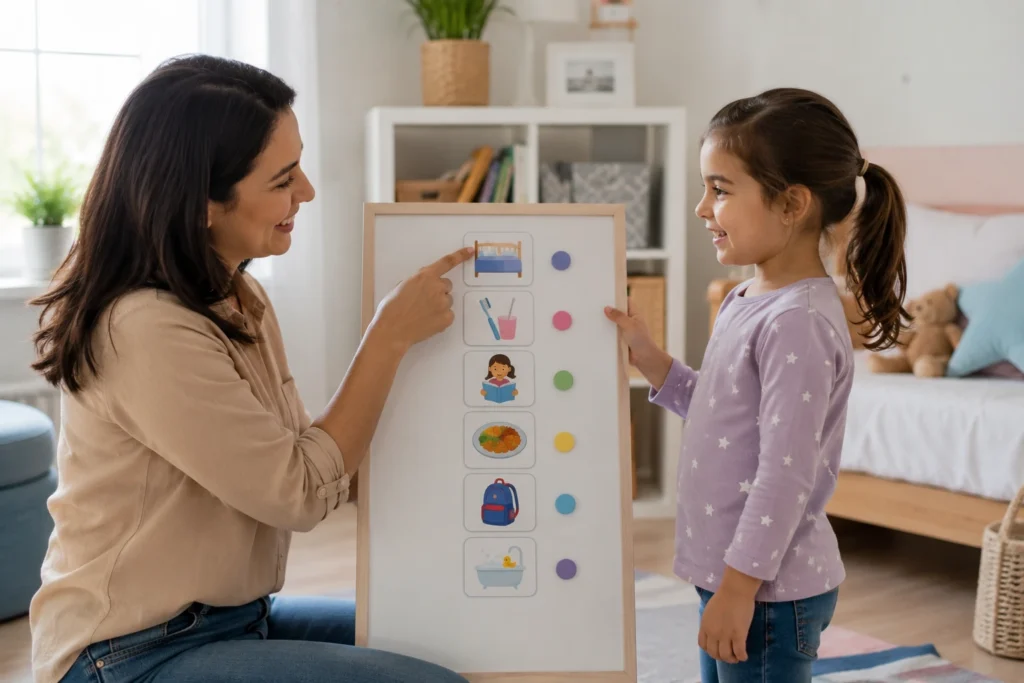
Ever notice how an off day throws your child completely off balance? Those reactions make a lot of sense. Mostly, children rely on predictable routines to feel safe, and that sense of safety is what allows self-regulation to develop.
When kids know what comes next, they spend less energy worrying and more on learning. A consistent daily schedule, even a simple one, gives them the emotional steady ground they need. That’s where self-discipline and the ability to handle big feelings with ease begin.
How Parents Can Support Emotional Development at Home
You don’t need a psychology degree to raise an emotionally healthy child. A few consistent habits, practiced regularly at home, make a meaningful change.
Here are some evidence-based strategies that actually work:
- Name the Feeling: Invite children to name what they feel. When a child seems upset, ask, “Are you feeling angry or disappointed?” Helping kids label emotions in real moments builds emotional expression faster than any worksheet could.
- Model Emotional Regulation: Since children watch everything, like your pause and deep breath before reacting to stress. This way, you’re teaching emotional regulation without saying a word.
- Use Pretend Play and Storytelling: Role-play gives kids a low-pressure space to practice handling emotions. It helps them work through scenarios and build self-confidence along the way.
- Set Limits With Empathy: Teach children that all feelings are okay, but not all behaviors are. Simple rules, explained calmly, help kids develop impulse control and self-esteem with time.
- Spend Time on Family Activities Together: Regular routines like family dinners or weekend walks build the kind of secure attachment that supports a child’s emotional well-being in the long run.
None of these takes hours out of your day. Small, steady efforts add up faster. In the future, these simple moments build the foundation for stronger emotional skills and confident, resilient children.
Physical and Mental Health: What Parents Often Overlook
Most parents focus on emotions and behavior. As we mentioned before, a child’s body and mind are connected, which needs to be considered.
Here, the table will explain how physical needs affect emotional health:
| Physical Need | How It Affects Emotional Health |
| Sleep | Poor sleep makes it harder for kids to manage emotions and control reactions |
| Nutrition | Irregular meals affect mood, focus, and a child’s mental stability throughout the day |
| Movement | Regular physical activity reduces anxiety and supports healthy emotional regulation in kids |
| Hydration | Even mild dehydration affects a child’s ability to concentrate and stay calm |
A child’s mental and emotional health doesn’t exist separately from their physical health. When kids aren’t sleeping well, eating enough, or moving their bodies regularly, emotional regulation gets harder.
Ultimately, supporting your child’s physical and mental health together is the best way to build a healthy emotional outlook.
Does Emotional Intelligence Matter More Than Grades Long-Term?
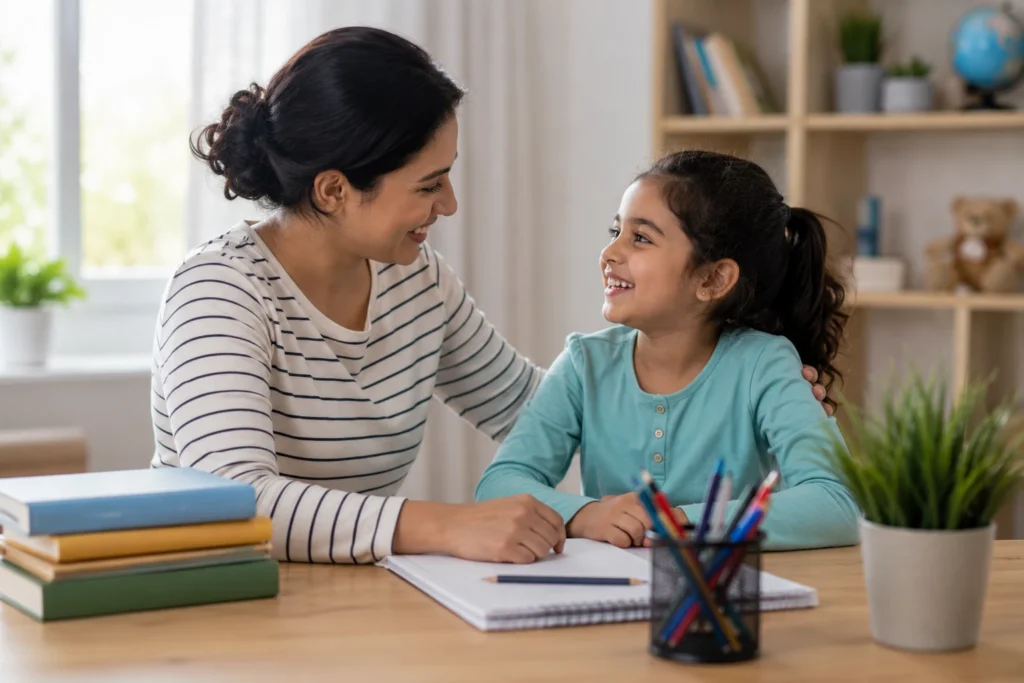
Grades open doors, but emotional intelligence determines what children do once they walk through them. Research links high emotional intelligence in kids to stronger relationships, better mental health outcomes, and greater satisfaction in adult life.
As we mentioned, children with strong emotional development usually show more resilience when things get hard. They handle conflict better, work well with others, and build the kind of self-confidence that carries into school and the future.
Adults who developed these skills early are more likely to maintain positive relationships, manage stress well, and adapt when life doesn’t go as planned. Emotional intelligence helps children actually use what they learn.
Give Them This, and Watch Them Thrive
Fortunately, supporting emotional development doesn’t require big changes at home. Small, consistent habits, like naming feelings, staying calm under pressure, and keeping routines steady, add up in ways that really stick with kids gradually.
In fact, research shows emotional intelligence is twice as strong a predictor of later success as IQ. That’s not a small thing. The emotional skills children build in their early years guide how they handle school, relationships, and adult life.
At Litill, we’re here to support families on that journey. If you’re ever unsure where to start, your child’s pediatrician is always a good first step. Browse our resources for more practical tips on building your child’s emotional well-being, one small habit at a time.