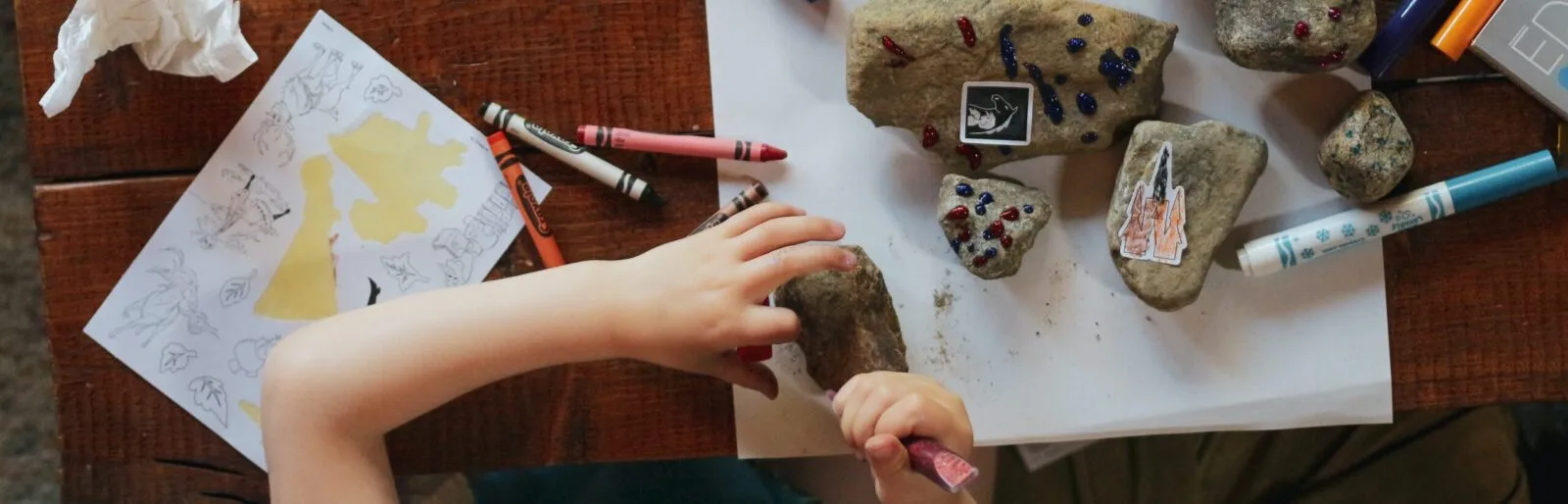
Creative learning activities are simple, hands-on ways to help kids build real skills like focus and problem-solving. Take drawing, for example. Holding a crayon and deciding what to sketch next builds both patience and decision-making at the same time. That one activity is simple enough to start today. Finding a new one every single day is the real challenge.
How many times this week have you already said, “let’s just watch a show”? It happens to every parent, especially when a screen feels like the easier win. That’s why we started Litill, to help you find activities that actually stick.
This guide covers strategies like drawing and crafts, plus pretend play with building toys. We’ll also get into outdoor nature walks and everyday chores like sorting laundry or cooking.
What Are Play-Based Learning Activities for Kids?
Hands-on learning activities give kids room to lead the way, without a script or a right answer to chase. Instead of following steps, kids test ideas, make mistakes, and try again on their own terms. That trial-and-error process is where genuine learning happens.
- Hands-On Discovery: Kids learn best through open-ended play, like sorting a pile of random toys into their own made-up categories. When they explore on their own terms, without strict instructions, the lessons stick.
- Real Growth Over Memorization: Skip the worksheet. Children often learn best when they can try things out, make mistakes, and find solutions through hands-on experiences rather than only memorising information.
- Low-Cost, High-Value Play: You don’t need expensive toys. A plain cardboard box, a few markers, or some old fabric can spark hours of imaginative, skill-building play with just a few simple tools.
Simply put, kids need room to figure things out. That might mean playing pretend, sketching something new, or spending a full afternoon with nothing but a stack of markers. It’s the freedom to explore that does the real work.
Once you spot what counts as creative learning, the next question is simple: where do you start?
Art Projects That Build Fine Motor and Problem-Solving Skills
Ever notice how a crayon can hold a toddler’s attention for twenty straight minutes? That focus isn’t an accident. In fact, drawing and crafting build fine motor skills through repeated hand movement and control.
A crayon in a small hand works like a tiny engine. Kids build grip strength and problem-solving skills as they decide how hard to press or which color to use. That strength carries forward, helping kids hold a pencil better and building early writing and reading readiness.
We’ve tried enough of these projects to know the simplest ones work best. More often than not, a basic box of crayons beats a fancy craft kit.
That messy finger-painting session your kid begged for is preparing them for school success, one smudged handprint at a time.
Pretend Play and Building Toys That Spark New Ideas
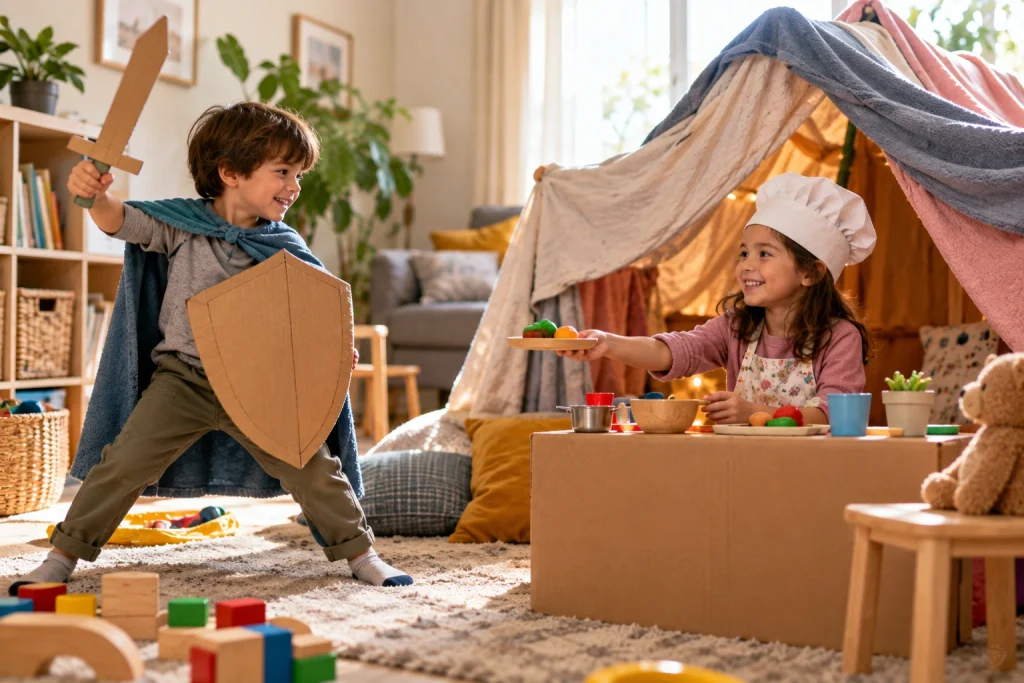
The best part about pretend play is that it costs nothing and builds problem-solving and decision-making skills while sparking creativity. A cardboard sword, a blanket fort, or a pretend restaurant all push kids to make decisions on the spot. Kids set the rules, solve problems on the fly, and decide what happens next, all on their own.
You’ll see this most clearly in two familiar kinds of play.
- Stories Without Limits: Take storytelling first. A kid playing pirate has to decide what happens when the ship “sinks,” negotiate roles with a sibling, and keep the story moving without any adult stepping in. Each decision is practice for handling real problems later.
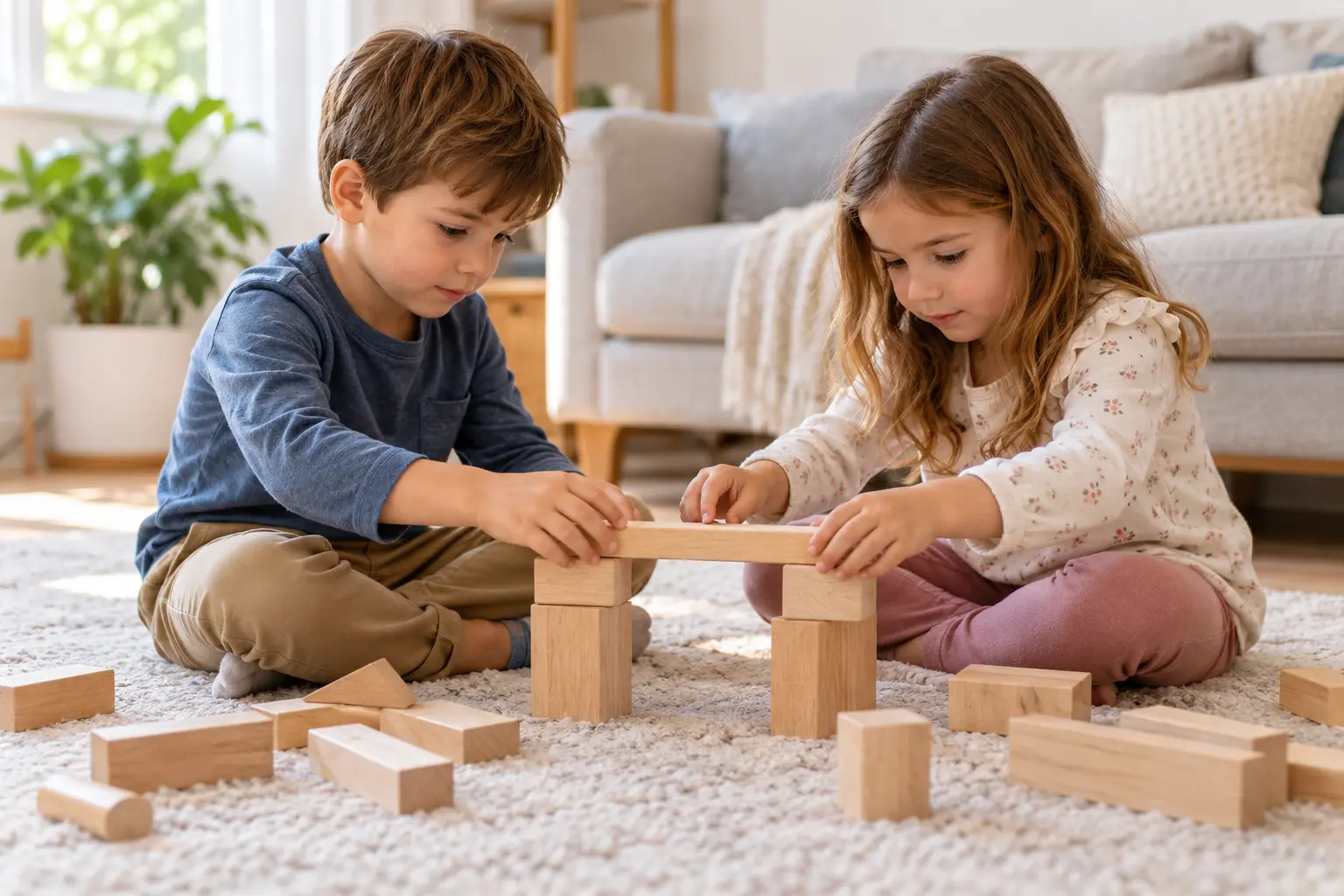
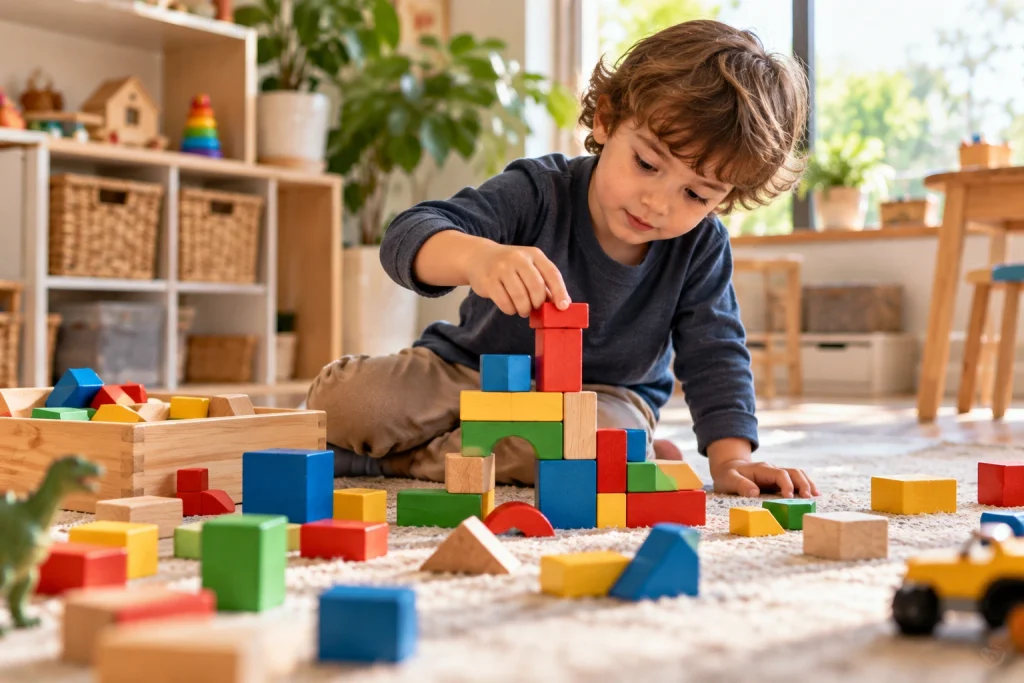
- Structure Meets Imagination: Building toys work the same freedom into something you can touch. A block tower that falls teaches a kid to adjust and try again. That kind of trial and error is what Harvard’s research on play ties to stronger focus.
Play isn’t the only place kids learn without realizing it. Even measuring detergent for a laundry load means estimating and counting as it happens.
How Nature Walks and Open-Ended Questions Build Curiosity
Nature walks build curiosity by putting kids face to face with something they can’t identify yet: a leaf, a bug, a strange cloud. The gap between seeing and knowing is what makes them ask questions.
Curiosity like that builds in two stages. First, what a kid notices, then what they’re asked about it.
What to Notice on a Nature Walk
A simple question like “Why does this leaf look different?” pushes kids to observe, think, and search for their own answer. These small moments make a walk around the block real practice for curiosity and problem-solving.
This matches what Queensland’s Department of Education has found. Their research on play-based learning shows kids build understanding by exploring, investigating, and making sense of their world through play.
Questions That Get Kids Talking
The second your kid stops and stares at something, that’s your cue. Skip the label and ask what they see, like the color of a beetle’s shell or the pattern on a leaf’s edge. Before you know it, a five-minute walk produces twenty questions about ants alone (ants win most kids’ attention first). And every single question teaches them to notice details they’d have walked right past.
How Can Family Members Use Everyday Chores as Learning Time?
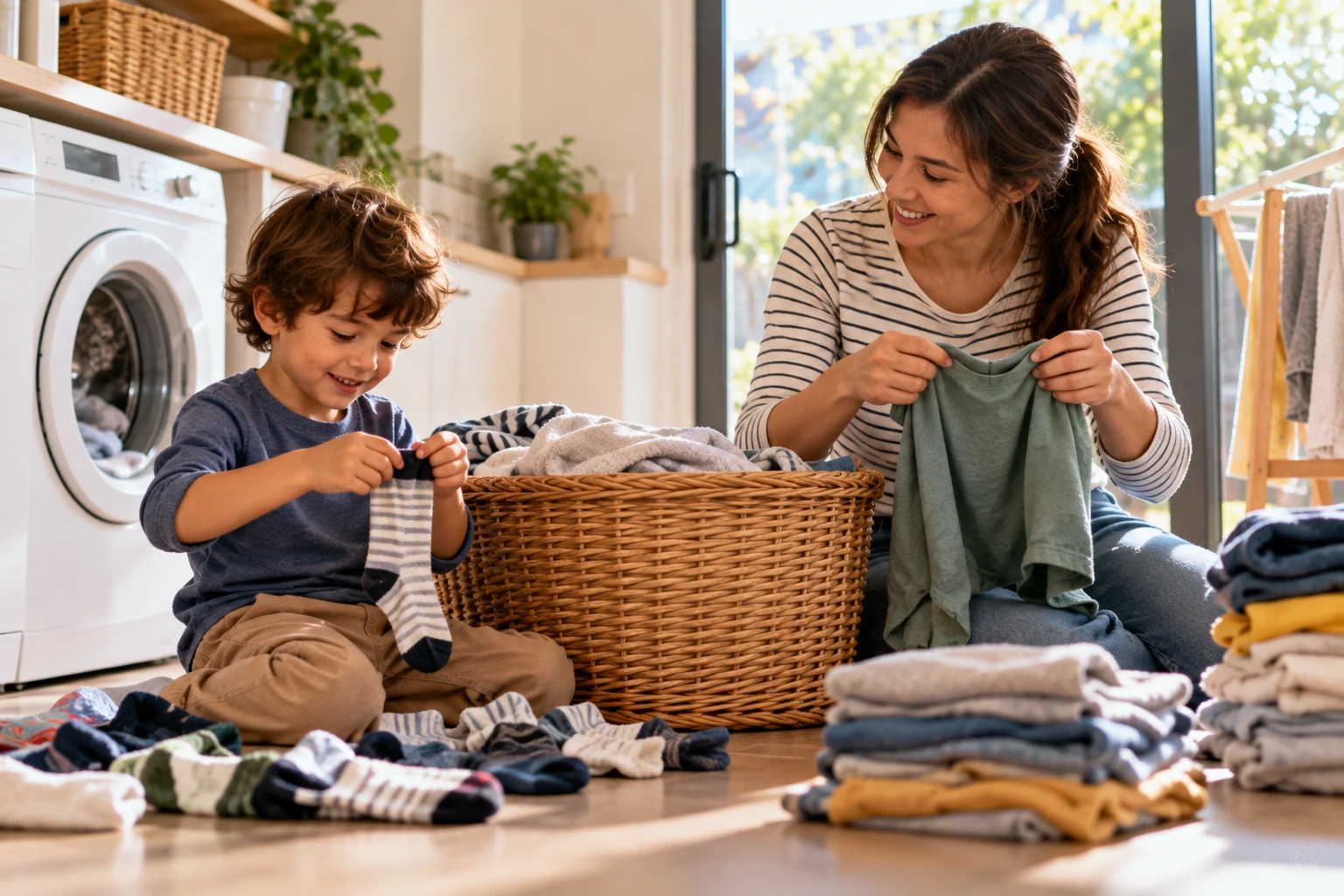
A sink full of dishes is a math lesson waiting to happen. So is a basket of laundry, a grocery list, or a stack of mismatched socks. Family members don’t need a special plan, just a little intention behind the task already on the list.
Cooking, laundry, and storytelling make the easiest starting points.
- Kitchen Math: Cooking becomes a math lesson the moment you start measuring flour, counting eggs, or splitting a recipe in half. These activities allow kids to see and touch real numbers.
- Sorting and Counting: A laundry basket doubles as a quick lesson in order. Clothes need sorting first, then washing, drying, and folding. It’s the same kind of sequencing kids will use for school assignments with multiple parts.
- Story Time With a Purpose: Grandparents and other family members can share stories about their own childhood chores while working alongside a kid. That conversation builds listening skills a screen never will.
When everyday chores become shared moments, kids start seeing routine tasks as chances to learn. A simple meal, a laundry basket, or a family story can all build skills while bringing everyone together.
Where to Find Parenting Resources for Creative Learning at Home
After seeing how simple tasks can become learning experiences, many parents start looking for more ways to keep kids engaged. A mix of activity guides, local libraries, and research journals can offer strategies for different ages and interests.
Each one works a bit differently, so it helps to know what you’re getting.
If You Want… | Try This |
Ready-to-use ideas today | Activity guides with step-by-step instructions |
Free books and hands-on extras | Your local library’s story hours and craft supplies |
Research-backed suggestions | Journals like NAEYC’s Young Children |
The right resource depends on what works for your family. Some parents may need something they can start today, while others prefer evidence-based strategies they can adapt over time. The goal is to find something that fits naturally into your routine and keeps kids interested.
Let the Learning Adventure Begin
Raising a curious kid can feel like a full-time job, especially when the day gets busy, and screens seem like the easy answer. Many of these learning moments already exist in everyday life, so parents don’t need a special program, a large budget, or teaching experience to get started.
As we’ve mentioned in this article, once parents start looking at everyday moments differently, they may notice learning opportunities everywhere. A craft project, a walk outside, or a simple household task can become a chance for children to ask questions, solve problems, and discover new interests.
With that in mind, our team created resources to support and encourage you. They walk you through the right activities and where to begin, so you’re never guessing.
Explore more ideas at Litill and start this week.