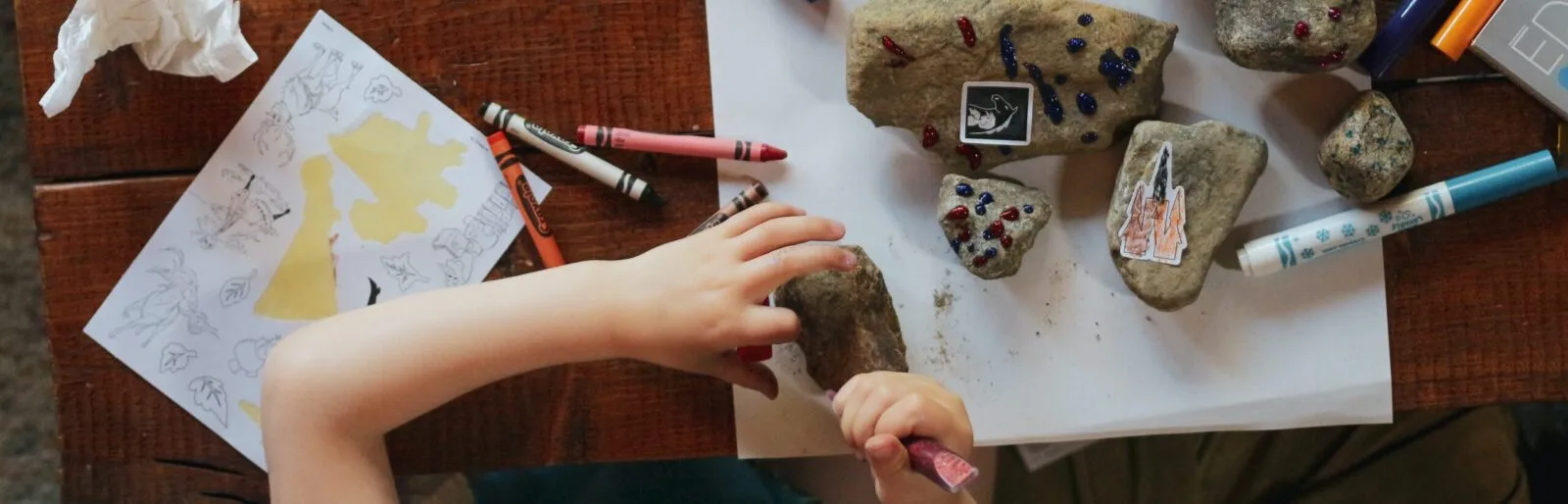
Most parents assume playtime is just downtime. But child development activities, like climbing, drawing, and pretend play, help build skills that last well beyond childhood. They strengthen the body, support emotional growth, and sharpen a child’s ability to learn.
At Litill, we study what helps children grow, drawing on child development research and everyday parenting realities. Here is what you can expect from this guide.
You will learn how everyday play supports lifelong health, plus clear, doable ways to bring more of it into your family’s routine.
What Counts as a Child Development Activity at Home?
Child development activities are any everyday moments that help a child grow physically, socially, or mentally.
Stacking blocks, sorting laundry, and playing tag in the backyard all count. Research from the American Academy of Pediatrics on learning through play shows that these moments strengthen movement, language, and problem-solving skills.
You do not need special toys or programs to support your child’s growth. In fact, building skills can start with naming shapes on a walk or counting steps to the mailbox.
Try weaving a few of these ideas into your week:
- Quick Sorting Games: Ask your child to sort socks by color or size during laundry time. Sorting sharpens early math thinking and attention to detail. This task often doubles as a game your child looks forward to.
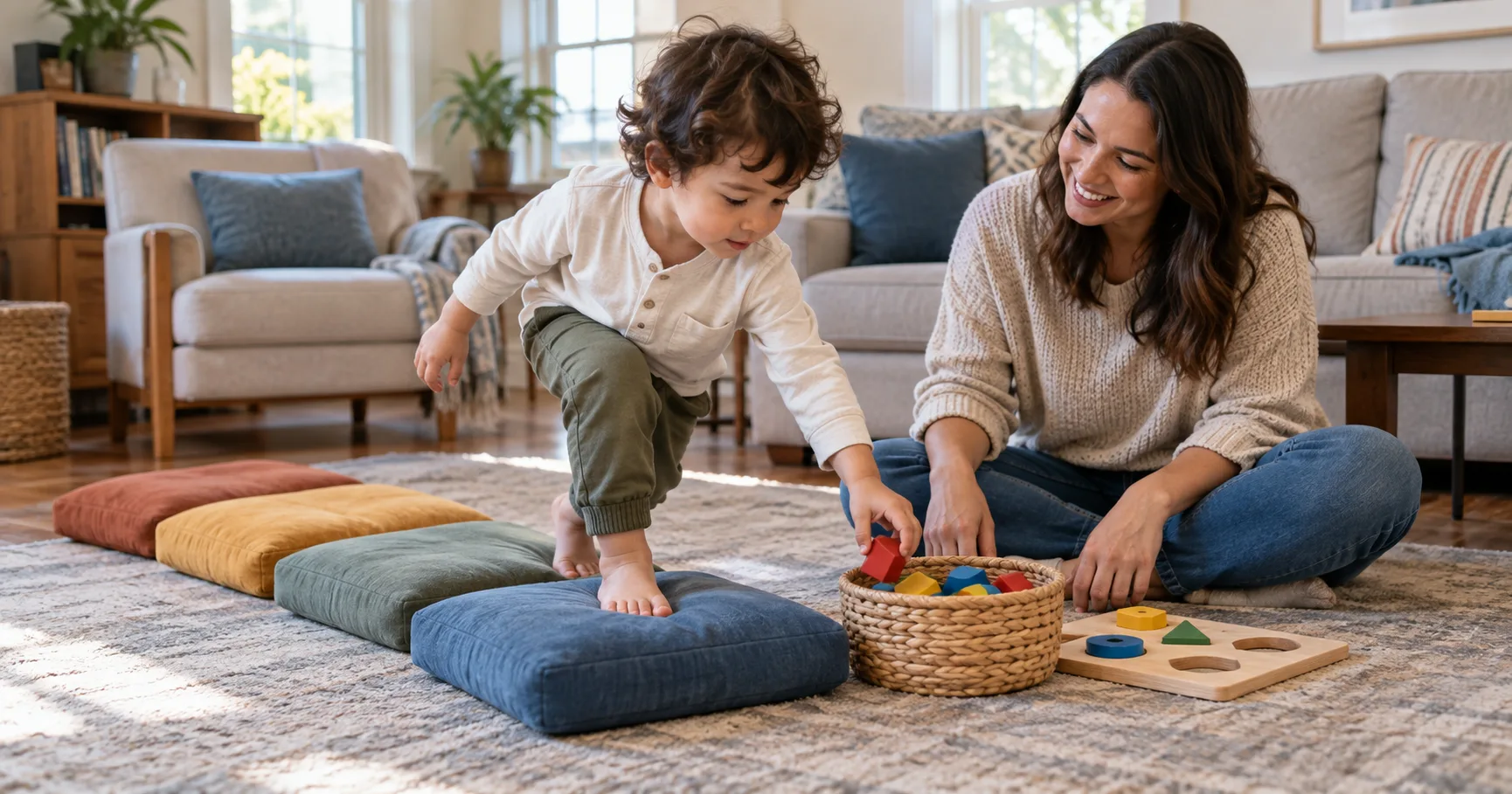
- Backyard Obstacle Course: Set up pillows and chairs for your child to climb over or crawl under. The movement strengthens coordination and balance playfully. Ten minutes of this after dinner works just as well as a structured class.
- Everyday Counting Tasks: Count snacks, toys, or front steps together during regular routines. Counting introduces early number sense without feeling like a lesson. Many kids treat the repetition itself as part of the fun.
These activities require little planning or money. Consistency drives the real payoff, since brief, repeated moments add up to real progress across months rather than days.
How Early Childhood Play Activities Build Strong Little Bodies
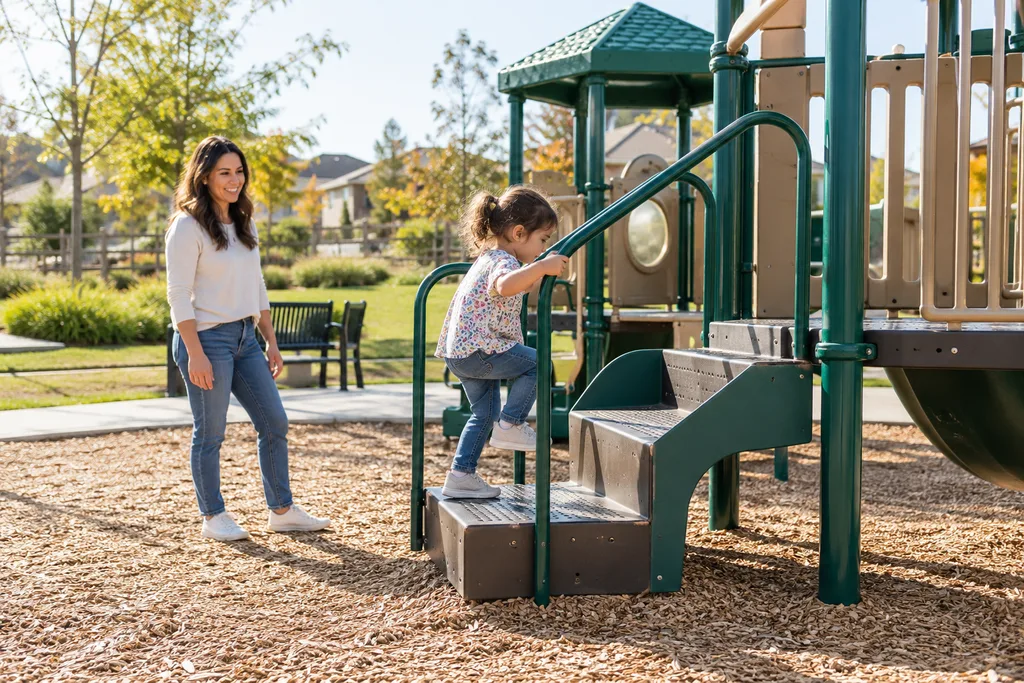
Ever notice how your toddler can climb the couch a hundred times but tires out from boredom? That kind of nonstop movement is not random. Physical activity during early childhood builds the muscles, balance, and coordination young bodies need to grow strong.
Running, climbing, and jumping work large muscle groups and improve balance over time. Fine motor skills grow through smaller movements too, like stacking cups, holding crayons, or buttoning a shirt. A child’s healthy development depends on both types of movement working together.
That same nonstop energy at the playground is doing more than tiring your child out. According to the CDC’s research on the health benefits of physical activity for children, regular movement also improves attention, memory, and sleep quality in young kids.
As children grow older, running, climbing, and hands-on play often carry into better focus at school and steadier energy throughout the day. With that physical groundwork in place, emotional growth is worth a closer look next.
Can Daily Play Really Protect Your Child’s Mental Health and Well-Being?
Managing big feelings and building social confidence both depend on regular play, just through different types of activity. The next two sections break down how each type contributes to emotional growth.
How Play Helps Kids Process Big Feelings
Unstructured play gives kids a safe outlet for big feelings instead of bottling them up. Skip that outlet for too long, and stress will show up somewhere else, like sleep or behavior.
Meanwhile, pretend play offers a low-stakes way to practice empathy and patience. A child acting out a pretend doctor visit is learning how to handle real relationships later. Consistent daily play is linked to lower anxiety over time. A systematic review of play and children’s emotional health found that non-therapeutic play, including pretend play and play with rules, helps children build steadier emotional regulation.
Keep in mind: Anxiety and low mood in children come from many sources, so play is not a cure-all on its own. Even so, regular play gives kids a healthy, built-in way to manage stress before it piles up.

Comparing Types of Play and Their Benefits
Not all children’s play works the same way. The table below compares three common forms of play and the skills each one can support.
| Type of Play | Main Benefit |
| Physical Play | Builds motor skills and burns off stress |
| Pretend Play | Builds empathy and problem-solving ability |
| Social Play | Builds cooperation with other children |
Family members do not need to pick just one play style. Mixing physical, pretend, and social play throughout the week covers more emotional ground than sticking to a single type. That mix of repeated, varied exposure is also how a child’s brain builds new skills.
What Is Brain Architecture, and How Do Early Experiences Help Young Children Learn?
Brain architecture refers to how a child’s brain forms neural connections at a rapid pace during the first five years. Early experiences, like reading together or playing peekaboo, strengthen the pathways tied to language and memory. And repetition is what makes those pathways stick.
Brain-building starts long before a child ever sets foot in a classroom. According to Harvard’s research on responsive caregiver interactions, infants develop through back-and-forth interactions with caregivers. When a parent responds to a baby’s babbling, for example, that simple exchange supports early communication skills.
A few everyday moments support early learning especially well:
- Reading Picture Books Together: Point to objects and name them out loud as you read together. Naming builds vocabulary and reinforces early word recognition. Even ten minutes a day of this habit adds up over a school year.
- Playing Copy Games: If your child copies a silly face you make, that exchange is doing real developmental work. Turn-taking like this helps young children learn through direct interaction rather than passive watching. Babies in their first year often respond to playful exchanges like this.
- Narrating Daily Routines: Talking to your baby during daily routines builds real neural connections, not just filler noise in the background. Describe what you are doing while cooking dinner or folding laundry, and children absorb new words without any extra effort.
These interactions cost nothing and need no special training. Short, frequent exchanges help brains develop stronger neural pathways than occasional, structured lessons. With early brain growth covered, confidence is the next piece worth exploring.
Why Small Wins Help Children Learn to Trust Themselves
Confidence does not come from being told a child is smart or talented. Real confidence comes from finishing something on their own, even something small. Tying a shoe, zipping a jacket, or pouring a cup of juice without spilling all count.
Ask any parent about shoe-tying practice, and you’ll probably hear a story that involved tears at some point. Those frustrated moments are part of how a developing child builds persistence. Letting a child struggle for a minute before stepping in teaches self-trust that instant help never will.
How you praise a child changes the outcome too. Psychologist Carol Dweck’s research on motivation found that effort-based praise, like “you kept trying,” builds stronger confidence over time than result-based praise, like “you’re so smart.” As a child grows, these small moments of independence add up into real self-trust.
Children learn self-belief the same way they learn to walk, through repeated attempts and failures along the way. Each completed task, no matter how minor, adds proof that a child develops real ability over time.
Confidence built through small daily wins carries into schoolwork, friendships, and new challenges later on. Making room for that kind of practice is the next challenge worth solving.

How Do You Fit Early Childhood Development Into a Busy Week?
Fitting early childhood development into a packed schedule can feel overwhelming at first. It doesn’t require hour-long blocks of free time. Short bursts of activity, squeezed between errands or chores, still count.
Talk to any parent juggling work and school pickups. They will usually say those same short bursts fit real life better than long, planned sessions. Flexible timing works better than a rigid routine for most busy households. At Litill, we hear from tired parents often, and the goal is never to add pressure to an already full day.
A few small changes can make room for meaningful activity without adding stress:
- Use Short Time Blocks: Set aside ten or fifteen minutes during a morning routine or right before bed. Blocks like this fit naturally into a day without feeling like extra work. Even a quick round of naming objects on the walk to the car counts.
- Combine Errands With Learning: Name colors during a car ride or sort mail into piles by size. Errands like these double as early learning through everyday moments without any extra planning. Kids often enjoy these small tasks more than a planned lesson.
- Rotate a Few Toys: Swap out a small set of toys every week or two. Fresh options keep a child curious without buying anything new. Rotating even five or six toys can make a familiar playroom feel new again.
Local libraries and community parenting resources can also help when energy runs low, often at no cost. A few minutes of quality attention goes further than a long, perfect session. Our guide on early childhood development habits walks through more ways to build these habits day to day.
With practical steps covered, daily play pays off in ways that last well beyond childhood.
Why Play Deserves a Spot on Your Family’s Daily List
Play is not extra time carved out of a busy day. It is a direct investment in a child’s physical health, emotional growth, and long-term development.
Researchers continue to link early play with better focus and steadier mood. Consistent opportunities to play also give children space to practise communication, coordination, problem-solving, and social skills.
Getting started does not take a perfect schedule. Brief, repeated moments, like counting groceries or building a pillow fort, add up to real gains in confidence, coordination, and emotional steadiness over time. Those moments create a healthier, more confident future for your child.
Give your child a few extra minutes of play today. As months pass, those small choices support a foundation that lasts well beyond childhood.