
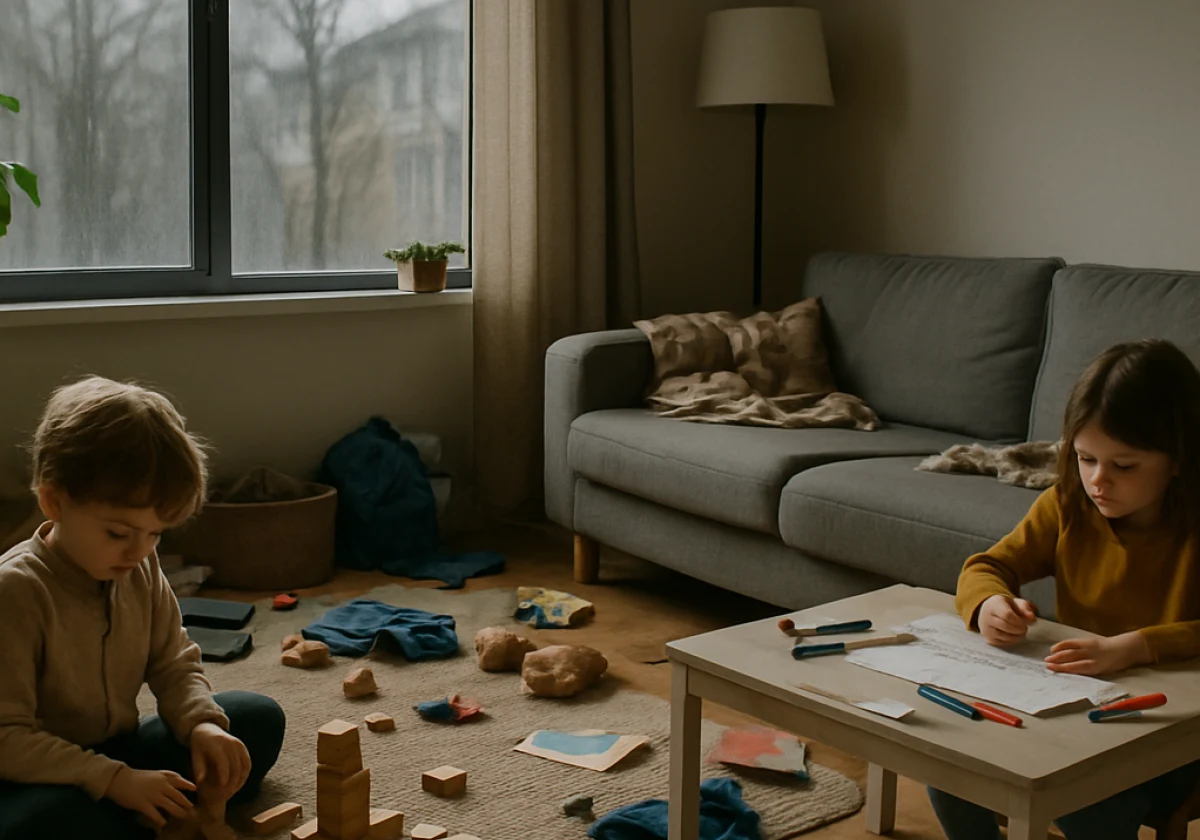
Rainy days don’t need to stall a family. Kids’ crafts, museum trips, indoor play spaces, and kitchen projects all give your children somewhere to send their energy when outdoor plans wash out.
Still, the rain usually shows up on the one afternoon you had the whole family booked outside. At Litill, we hear from parents who run out of ideas by lunchtime and start counting the hours until bedtime. This guide covers the best indoor activities for kids at home, the spots worth driving to around your area, and a table that helps you choose.
Indoor Activities for Kids at Home That Keep Children Busy

Most parents already own everything they need for a full afternoon of play. Your recycling bin, your kitchen cupboards, and the couch hold more value than a whole toy aisle.
Three setups below cover the long stretch between breakfast and dinner without a single trip to the store.
Kids Crafts That Use Supplies You Already Own
Cardboard boxes, old magazines, and a glue stick cover most kids’ crafts without a trip to the store. For instance, an empty cereal box becomes a puppet theater in about ten minutes. The puppets come from paper bags, markers, and leftover yarn.
We’ve watched that single project hold a six-year-old’s attention for a solid hour (the whole cleanup takes about four minutes with a broom).
Learning Through Play in the Kitchen
Baking turns into a maths lesson the second you hand your child the measuring cups and let them count every scoop out loud. Along with the math, kids pick up reading skills by following a recipe line by line. They also get a warm snack at the end of it.
Simple recipes like banana pancakes or pizza dough work well because they use few ingredients and involve mixing, rolling, and shaping. Children as young as three can help with stirring, while older kids can handle measuring and reading the steps.
Building an Indoor Play Obstacle Course with Couch Cushions
Couch cushions, painter’s tape, and a laundry basket build an indoor play course that burns energy without anyone leaving the living room. Lay the cushions as stepping stones, tape a start and finish line on the carpet, and set the laundry basket as the final target.
Then time each run and let the kids beat their own record, which keeps the game going long after the rain stops. Kids typically need 60 minutes daily of movement, and a few laps cover a good share of it. In fact, plenty of families tell us this one trick rescues the hours between lunch and dinner (bare feet grip the carpet better than socks do).
Why Do Museum and Science Center Visits Work So Well on Rainy Days?

Museum and science center visits work well on rainy days because hands-on exhibits keep kids learning while they burn energy. Your area likely offers dozens of free indoor attractions worth checking.
The four draws below explain the repeat visits.
- Hands-on Exhibits: Pulleys, water tables, and build stations let children test their own ideas instead of reading a label. Ask the front desk which exhibits suit your child’s age group, since some stations work better for under-fives and others challenge older kids. Weekday mornings tend to be quieter, so your children get more time at each station.
- Story Times at the Library: Free and weekly, story times give the little ones a calm half hour while older kids browse the shelves. Most libraries list session times and age groups on their website, so check before you drive over. Some branches also run craft activities straight after the reading, which stretches the visit to a full hour.
- Free Admission Days: Many museums waive tickets one evening or one morning every month. Check the museum’s website calendar at the start of each month and set a reminder, since these slots fill quickly and are rarely promoted on social media.
- Events for the Whole Family: Beyond regular hours, seasonal science nights and craft fairs welcome adults and children on one ticket. Look for these on the museum’s events page or sign up for their email list, since they often sell out before they appear on social media.
Call ahead on wet mornings, because crowds quickly build once the forecast turns gray. Plus, some museums cap how many kids enter the play space at one time.
Some museums list activities for families on their events page, so check before your visit. Research from the American Academy of Pediatrics also links hands-on play to sharper problem-solving and calmer moods.
If a museum visit feels too quiet for the energy level at your house, somewhere louder might be the answer.
Family Fun Out of the House: Bowling Alleys, Trampoline Parks, and Indoor Attractions

Once the cushion course loses its appeal, getting out of the house gives kids room to run and gives parents a break from cleanup.
Bowling suits almost any age, since bumpers let a five-year-old finish a frame beside a ten-year-old. Most bowling alleys charge by the hour, so a family of four can play two games for less than a movie night costs.
Beyond the lanes, an indoor trampoline park pulls in older kids and teens who have outgrown the soft play area. Foam pits, a ropes course, and obstacle courses give them a workout that beats any screen.
Remember to confirm the height rules before you drive over, because some venues turn away anyone under a set height. Larger indoor entertainment centers also stack mini golf, laser tag, arcade games, and virtual reality booths under one roof.
For younger children, indoor playgrounds with slides and ball pits stay the safer pick. Some venues also add rock climbing walls or indoor water parks for older kids. We’ve toured a dozen of these places with a stroller in tow, and the ones with a coffee bar and clear sight lines win every time (parents need a seat just as much as the kids).
A Quick Guide to Picking Children’s Activities for Your Kids
With options at home and around town, the only question left is which indoor activity fits your kids today. Three things settle it quickly: the budget, the ages at the table, and how much energy everyone has left.
Scan the table below to match today’s weather and mood to the right plan:
| Activity type | Best ages | Cost | Energy level |
|---|---|---|---|
| Kids crafts at home | 3 to 10 | Free with supplies you own | Low |
| Museum or science center | 4 to 12 | Free on admission days | Medium |
| Bowling alley | 5 and up | $15 to $25 per hour | Medium |
| Indoor playground | 1 to 8 | $10 to $18 per child | High |
Match the energy level first, then let the budget narrow it down to one choice. A tired afternoon calls for children’s activities at the kitchen table, while a restless Saturday earns the drive out for indoor family fun.
Make the Next Rainy Day One Your Kids Look Forward To
Rain cancels the park plan, but it doesn’t have to cancel the fun. The best ideas already sit in your kitchen cupboards or a fifteen-minute drive from your front door.
Pick one home activity and one outing from this guide and keep both ready. Stock a craft box with glue sticks, markers and scrap paper so it’s grab-and-go on the next grey morning. Save one venue’s number in your phone so you can check times without searching.
Ready to plan a fun indoor day everyone enjoys? Visit Litill for fresh ideas, family events, and guides that keep kids of all ages busy.