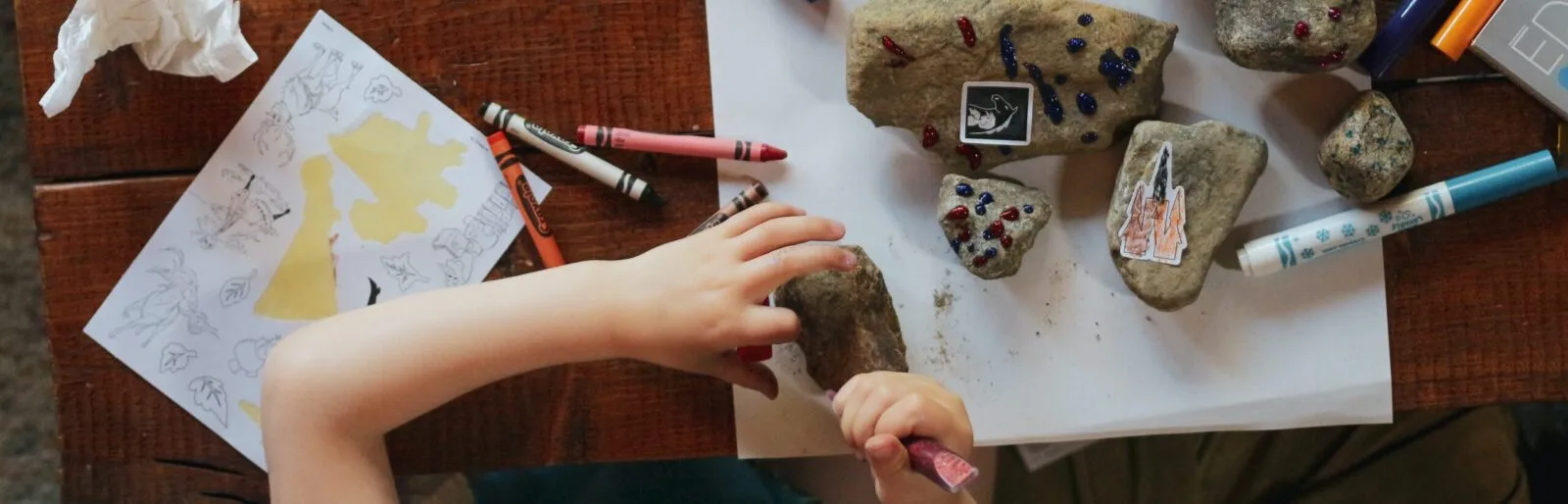
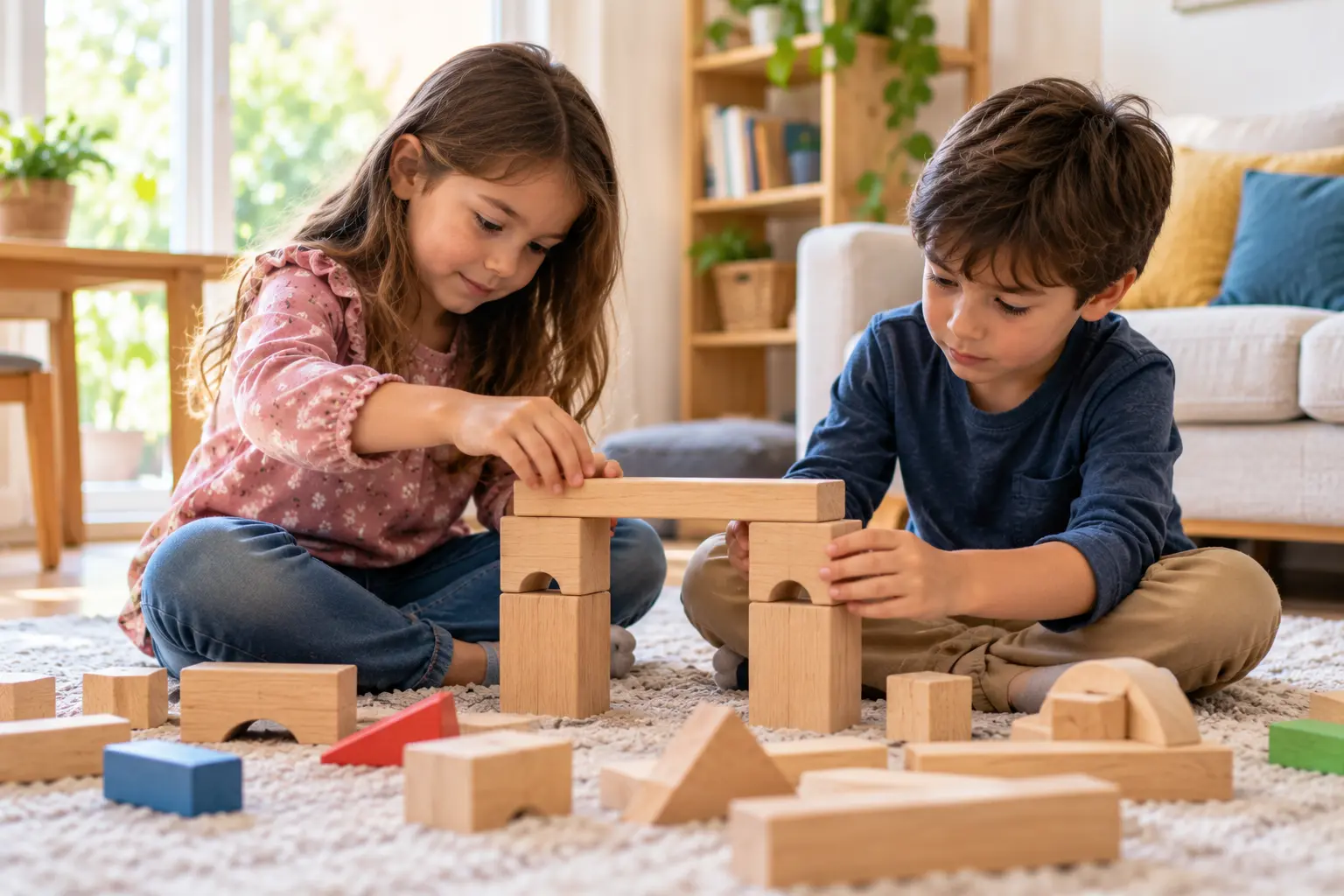
Children are natural problem solvers, and you’ve probably seen it happen at home already. Hand them a pile of blocks or a blank sheet of paper, and they’ll start building towers, drawing animals, or inventing their own games. Creative play is one of the most effective ways to support a child’s development early on.
That’s the idea behind Litill. We help families and parents discover activities that encourage kids to think, experiment, and grow at every age.
And this guide covers why creative play matters for your child’s life and how to work it into your daily routine. You’ll also find practical parenting ideas you can start using today.
Why Creative Play for Kids Builds Stronger Thinking Skills
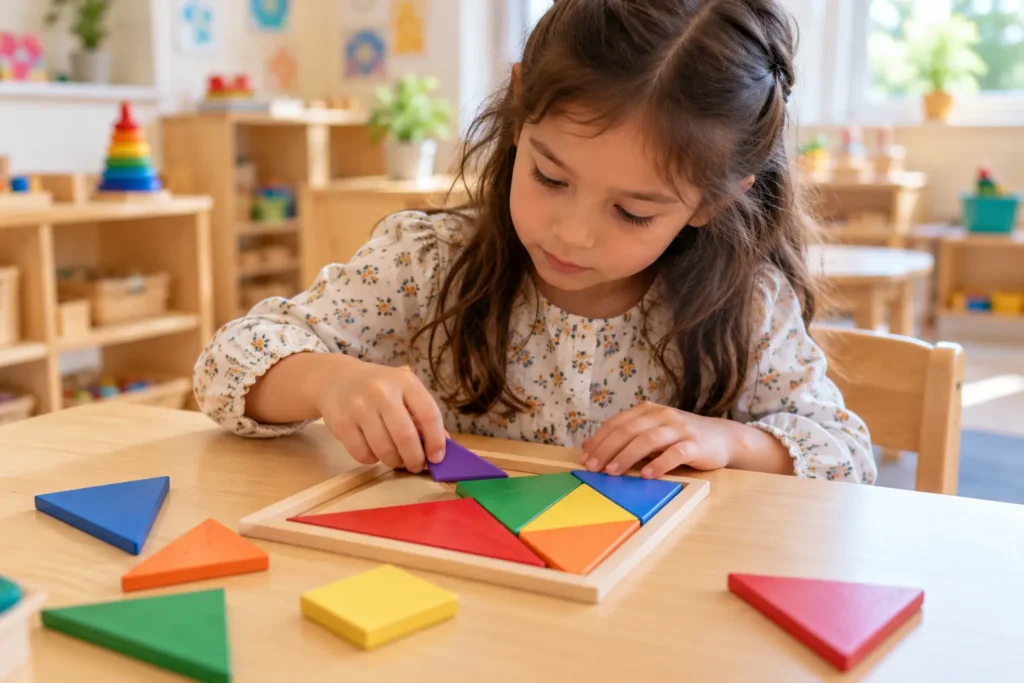
Creative play for kids builds thinking skills by giving children chances to experiment, fail, and try again.
For toddlers and preschoolers, this process is where cognitive growth begins. Every time a child stacks blocks or invents a story, their brain practices planning, focus, and flexible thought. Put another way, development is already happening, even when it looks like pure fun.
The American Academy of Pediatrics (AAP) backs this up. Their research supports problem-solving through play as one of the most effective ways to build curiosity, language, and independent thinking early on. You’ve probably seen your child do this without even realizing it.
Here are a few ways creative activities support learning and problem-solving:
- Testing Ideas on Their Own: When kids face a challenge, they don’t wait for instructions. Each attempt gives them new information about how things work, and parenting experts call this “self-directed learning.”
- Adjusting Mid-Process: Activities like building forts require children to think ahead and change direction when a wall collapses (even when the “rules” change every two minutes). This back-and-forth is how the brain develops language and logical thinking at the same time.
- Negotiating Rules Together: Watch a group of preschoolers invent a game in the backyard, and you’ll see problem-solving up close. They negotiate roles, create structure, and find ways to keep everyone engaged. Parents who provide this kind of open, unstructured time give their kids effective practice in cooperation.
Parenting doesn’t require a formal educational setting to support a child’s growth. Sometimes all it means is stepping back and letting children explore on their own terms.
Now, let’s look at some activities you can try at home.
Simple Activities That Strengthen Problem-Solving Skills
You don’t need expensive toys or complicated setups to help your child build problem-solving skills at home. In fact, toddlers, preschoolers, and older kids all respond well to simple activities that let them tackle challenges independently.
A few of these ideas will work for children of different ages and learning levels.
Build and Stack Challenges
Hand your child a pile of blocks, cardboard boxes, or recycled materials and see what they come up with. The real learning starts when a structure falls over, because kids have to find a new approach and rebuild.
Stacking also helps toddlers develop balance and spatial awareness, no app or screen required.
Pretend Play Scenarios
Let your child run a pretend store, cook a meal for stuffed animals, or explore the animal kingdom through imaginary safari trips (bonus points if they make you the customer).
Every scenario asks kids to plan ahead, make decisions on the fly, and adjust when things don’t go their way. Parents love pretend play because it builds language, cooperation, and focus while feeling like pure fun.
Puzzles and Hands-On Experiments
Scavenger hunts, simple science experiments, and age-appropriate puzzles are perfect for children who enjoy a clear goal. Working through a problem step by step builds patience and logical thinking over time. Educational games with colors, sounds, and numbers also offer a safe, low-pressure way for kids to practice at their own pace.
Once they complete one puzzle or experiment, they’ll be ready for the next.
How Creative Play Balances Screen Time With Real Learning
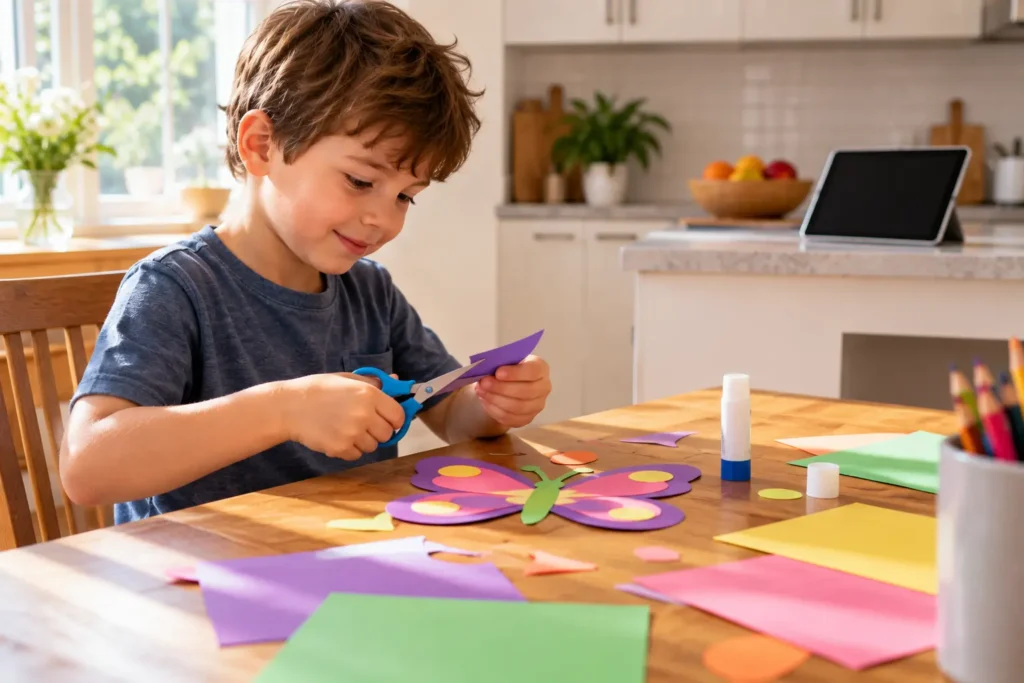
The average American child spends over three hours a day on screens, and most of that time goes toward passive content like videos or gaming apps.
While toddlers and preschool-age kids absorb colors, sounds, and numbers from these programs, they rarely get a chance to practice problem-solving along the way. Watching a cartoon keeps your child seated, but building a blanket fort asks them to move, plan, and find solutions.
We’ve watched families make this one switch and noticed their kids become more independent, more engaged, and better at working through problems. Parents who replace even 30 minutes of daily screen time with creative activities often see a difference within weeks.
And believe it or not, even a small swap each afternoon can lead to stronger focus and confidence over time. You don’t even have to cut screens out entirely. Just look for safe, age-appropriate moments during the day to introduce play instead.
Ultimately, parenting works best when you find what fits your family, and real-world interaction gives children the kind of learning that screen alone can’t provide.
The Lasting Impact of Creative Play on a Child’s Life
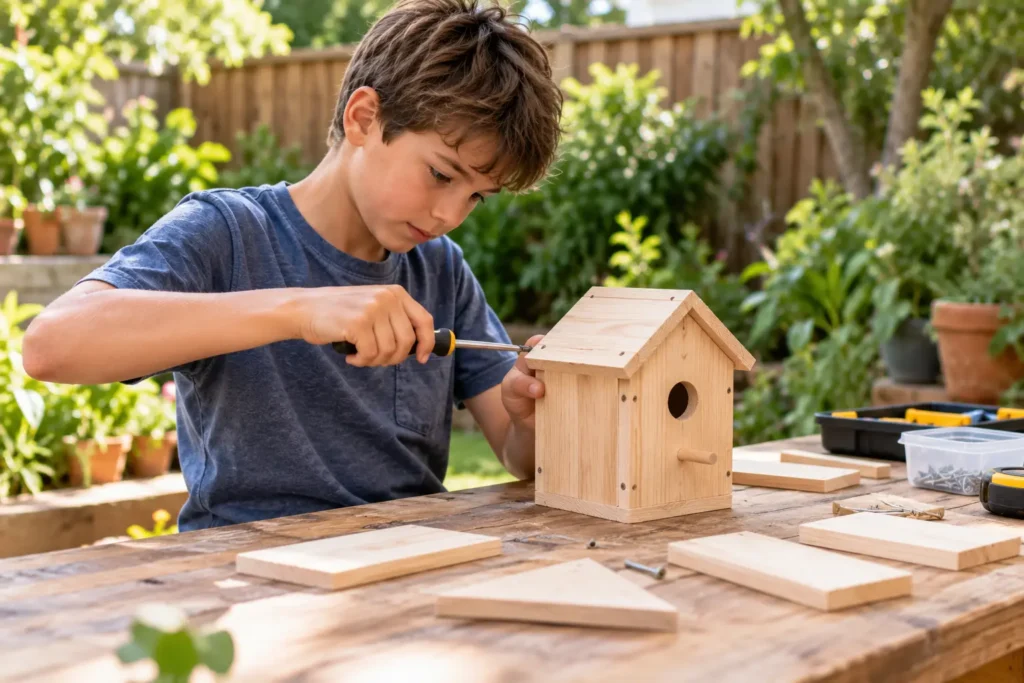
The habits your child builds during creative play carry into school, friendships, and everyday life.
Research from Harvard connects play to the development of executive function skills like planning, focus, and self-control. These abilities affect how a child handles problems at home and within their community.
We hear this from parents all the time. And the outcomes tend to last well beyond childhood:
- Confidence With New Challenges: Children who explore creative activities at young ages approach unfamiliar situations with less fear and more curiosity. Parents often notice their child volunteering for group sports, raising a hand in class, or trying something new unprompted.
- Stronger Social Abilities: When toddlers and preschoolers participate in group play, they learn to share, take turns, and communicate their ideas out loud. At Litill, families build on this by using our play-based content to bring education and daily interaction into the same routine.
- Emotional Resilience Over Time: Kids who grow up with regular creative play develop a stronger sense of balance when things don’t go their way (and those aren’t skills you can download from an app). Being able to adapt and find effective solutions unprompted is important for every stage of development. It all starts with providing a safe space to love, learn, and explore.
You won’t always see the results right away. But the child who builds a fort today is the same one who raises their hand in class tomorrow, and that kind of growth starts at home.
Helping Your Child Grow Through Creative Play
Every parenting journey looks different, and there’s no single right way to support your child’s growth. But one thing stays consistent: kids who spend time in creative play develop stronger problem-solving abilities, more confidence, and a deeper love for learning.
You don’t need a perfect plan. Just choose one activity, set aside a few minutes each day, and let your child lead the way. And if you’re looking for a place to start, you’ll find parenting resources and play-based ideas at Litill that fit into your daily life.
The best time to begin is today.