
Every parent wants their kids to feel energized and ready to take on the day. But when children eat the wrong foods or skip meals, they end up tired, cranky, and unable to focus in school. Here’s what helps: simple changes in your kids’ healthy meals can boost their energy levels quickly.
We know how hard it can be when you’re trying to balance healthy eating with picky eaters and busy schedules. That’s why we’re sharing practical food habits that actually work for your families.
In this article, you’ll discover easy ways to keep your children active and energized all day. And, we’ll cover:
- Which foods boost energy
- How to build habits that stick
- What to avoid
- Why screen time affects how your kids eat
So, let’s get started.
Why Kids’ Nutrition Keeps Energy High All Day

Kids’ nutrition gives children the fuel they need to stay active, focus in school, and keep steady energy levels from breakfast until bedtime without depression or mood swings.
Let’s take a closer look at what to offer in the morning so your child starts strong and stays active all day long.
How Food Fuels Your Child’s Body and Brain
Usually, the right mix of nutrients provides your child with non-stop energy and supports sharp thinking throughout the day.
For instance, Carbohydrates from whole grains break down slowly, giving kids stable energy instead of quick spikes and crashes. And Protein helps build strong muscles and keeps hunger away longer, so your kids stay focused during school hours. These benefits keep them alert during math class and gym time.
According to research, your kids’ brain cells need omega-3 fatty acids (fish, seeds, and nuts are good sources of them) to help with memory, learning speed, and problem-solving skills. These healthy fats also support mood regulation and help children handle stress better throughout their day.
The Link Between Healthy Eating and Physical Activity
Kids who eat balanced meals have more stamina for sports, playground games, and after-school activities without feeling tired. Beyond that, good nutrition helps your child’s body recover faster after running around, which means less soreness and more playtime tomorrow.
Drinking enough plain water and eating water-rich foods like melon also keeps your kids’ joints working smoothly and prevents cramping during exercise. For example, a child who stays hydrated can play soccer for a full hour without needing to stop from leg cramps or fatigue.
What Happens When Kids Skip Nutritious Meals
When kids skip nutritious meals, their bodies and brains miss the fuel needed to stay focused and energised. Additionally, empty stomachs make it even harder to concentrate in class because the brain isn’t getting the glucose it needs.
What’s more, skipping meals slows down metabolism and can lead to overeating later, making it harder to maintain a healthy weight. This pattern creates a cycle where children feel hungrier and less satisfied after eating.
Building Healthy Habits That Stick
The best part about building healthy habits early is that they become second nature. With this habit, your kids will reach for nutritious foods without you nagging or bribing them.
When children learn to enjoy healthy eating young age, it follows them into their teenage years and adulthood. (You’re creating a foundation that lasts.)
Here’s how you can gradually build those habits:
Start Small: One Change at a Time
You don’t need to turn your kitchen upside down overnight to see results. Start swapping white bread for whole wheat toast at breakfast. That’s how your child won’t notice much difference, but they will get more fiber and nutrients.
Besides, you can add one extra fresh vegetable to dinner three times a week. For instance, toss some broccoli into pasta or add bell peppers to tacos on Monday, Wednesday, and Friday. Try replacing afternoon chips with apple slices and peanut butter, too. It gives your kids protein and natural sweetness.
Drawing from our experience working with families, we’ve found that small swaps work better than complete diet overhauls because children adapt gradually without feeling deprived.
Make Fruits and Vegetables Fun, Not Forced
Honestly, getting kids to eat broccoli feels impossible some days (and yes, we’ve all seen the broccoli hidden under the napkin trick). Instead, let them pick one new fruit at the grocery store each week. They’re more likely to eat something they chose themselves.
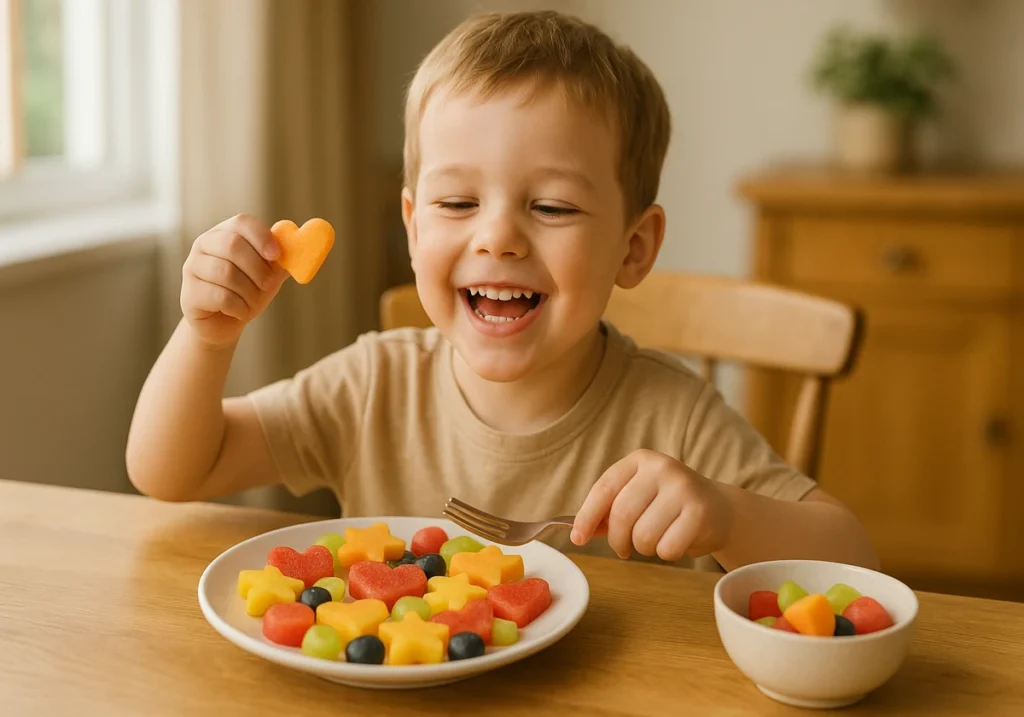
If you’ve time, cut vegetables into fun shapes with cookie cutters or arrange them into smiley faces on their plates. This simple presentation means more than parents think, especially with younger children.
Pro tip: Involve your children in cooking by letting them wash lettuce or stir ingredients. It makes them excited. When kids feel excitement over the meal, they’re three times more likely to try different foods without complaint.
Create a Routine Around Mealtimes
Eating at the same time daily helps control hunger signals, so kids naturally feel hungry. This rhythm teaches their bodies when to expect food, reducing random snacking and whining between meals.
Have you ever thought about the importance of family meals? It shows kids how much to eat and gives everyone time to connect without phones or tablets around. These shared moments also teach table manners and conversation skills that benefit children throughout their lives.
Avoid Foods That Drain Energy
Did you know the average American child eats about 17 teaspoons of added sugars daily? That’s triple what doctors recommend and explains why so many kids crash before lunchtime.
We don’t want your kid to be loaded with extra sugar. Here’s what you need to watch for:
Added Sugars Lead to Energy Crashes
Sugary cereals and juice boxes spike blood sugar faster. After eating these foods, children feel a sugar crash within 4 hours, then become irritable, tired, and unable to focus.
We’ve seen that most fat-free yogurts contain as much sugar as candy bars. But they are tricking parents into thinking it’s a healthy choice. That’s why, check the label next time you shop. You’ll notice many fruit-flavored dairy products list sugar as the second ingredient after milk.
Too much sugar also affects how well kids sleep at night, creating a cycle where they wake up tired and crave more sugar.
Processed Snacks vs. Whole Food Options
Packaged crackers and cookies lack fiber and protein, so kids feel hungry again soon after eating them. These snacks also contain high amounts of salt, which makes children thirsty and cranky throughout the afternoon.
Alternatively, whole food snacks like beans, unsalted nuts, cheese sticks, or hard-boiled eggs provide lasting fullness without artificial ingredients or preservatives. And healthy snacks don’t cost an arm and a leg either.
Remember, foods with added sugars can easily push kids over the World Health Organization’s sugar intake limits. Reasonably, keep your child’s free sugars under 10% of total energy intake.
Beyond the Plate: Screen Time and Better Health
Now that you know which foods boost energy, let’s talk about something that quietly affects eating habits. For instance, how much time your kids spend in front of screens. And that’s where things get interesting. (Screen time doesn’t just affect their eyes; it changes how they eat.)
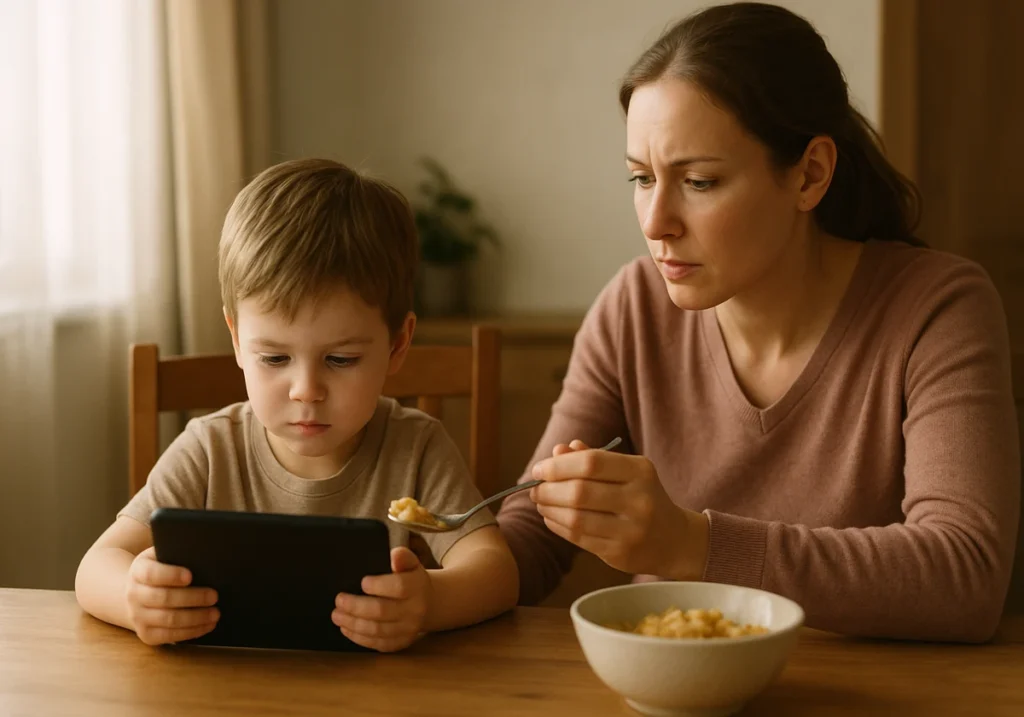
When children watch TV or play games during meals, they eat more without realizing it because their brains aren’t registering fullness signals. A study shows that most children who eat in front of screens consume more food (unhealthy ones especially).
That’s why reducing screen time helps kids become more physically active throughout the day. Instead of sitting for three hours after school, encourage your children to go walking around the neighborhood or play outside with friends. In that case, adults and parents who limit their own screen use set a better example for the whole family.
Too much screen time also means less sleep for children at night. Blue light from tablets and phones tricks their bodies into thinking it’s still daytime, making it harder to fall asleep. When kids get more sleep, they wake up with better energy and make healthier food choices the next day.
Verdict: All such combinations of good nutrition, regular physical activity, and proper rest support your kids’ overall well-being and set them up for better health as they grow.
Keep Your Kids Fueled and Thriving
Building healthy habits doesn’t happen overnight, but small changes here and there add up to noticeable improvements in how your children feel every day. When you encourage kids to eat healthy foods, you’re giving them tools they’ll use for life.
Don’t panic too much. Start with one or two tips from this article and watch how your family’s nutrition improves over time. Remember, you don’t need to be perfect. Even adding one extra serving of fruits or vegetables each week moves you in the right direction.
At Litill, we’re dedicated to helping children reach their highest potential through practical advice on nutrition, fitness, and mental health. Visit our blog for more resources tailored specifically for kids, because better health starts with the choices you make today for your family.