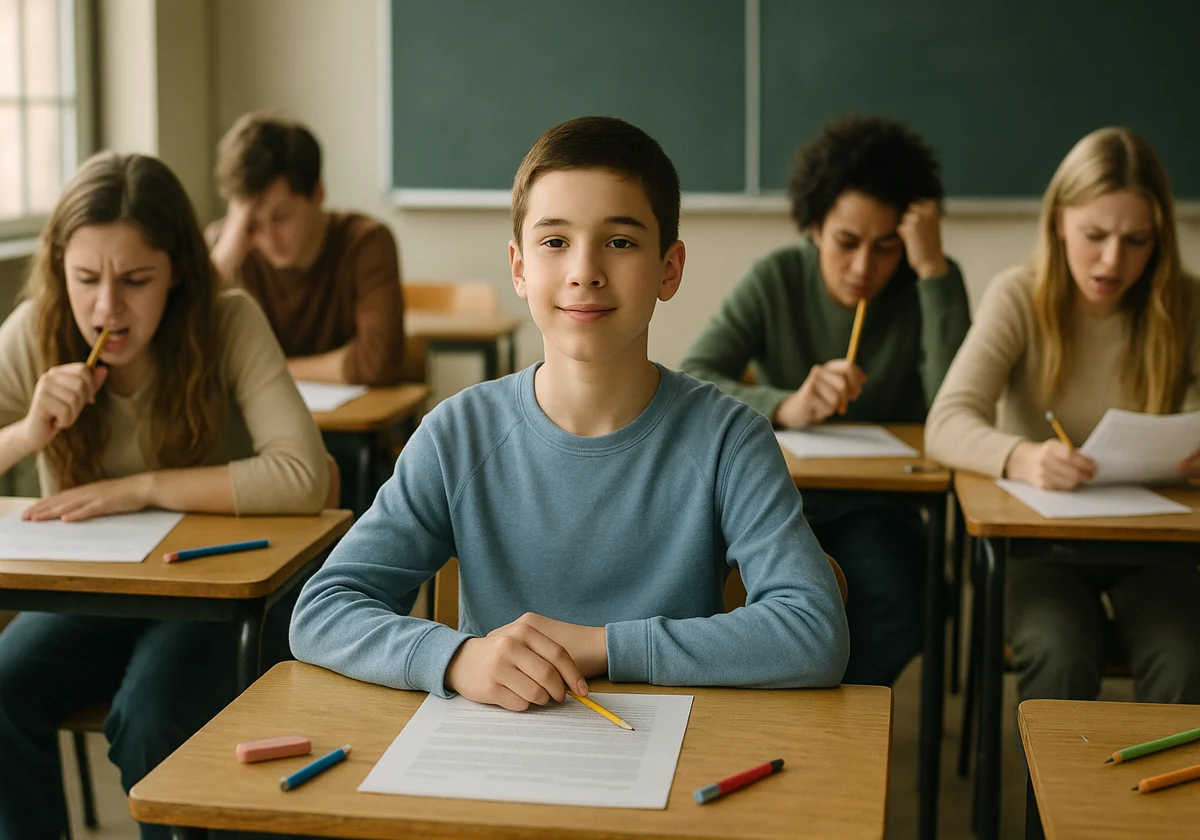
Busy days overwhelm kids with school stress, after-school activities, and constant noise. With all of this happening around them, children barely get a moment to breathe. As the pressure builds, stress shows up as meltdowns, trouble sleeping, or simply feeling off.
The helpful part is that teaching calm habits gives kids simple self-care tools to manage big emotions and reset during overwhelming moments. These are the practical ways to help children find some peace, even when life around them feels chaotic.
To build on that idea, this article walks you through easy calming techniques, which include breathing exercises, mindfulness activities, and small ways to weave calm moments so kids can manage stress before it takes over.
So, let’s get started.
Why Kids Need Calm Habits in Their Daily Routine
Kids need calm habits because their developing brains haven’t learned yet how to handle stress and complex emotions on their own. Let’s be honest here: expecting children to manage stress naturally is like expecting them to ride a bike without training wheels on day one.
Why? Because children’s brains are still growing, that makes it harder for them to control their feelings when things get tough. In fact, the emotional and self-regulation parts of their body don’t fully develop until their mid-twenties.
And this is where regular calm moments provide a solution. It helps kids improve their focus, sleep better, and bounce back from rough days.
These self-care practices teach children how to recognize their own feelings before they explode. Plus, they build social-emotional learning skills that help with friendships as well as schoolwork.
Quick Calming Techniques Kids Can Use Anywhere
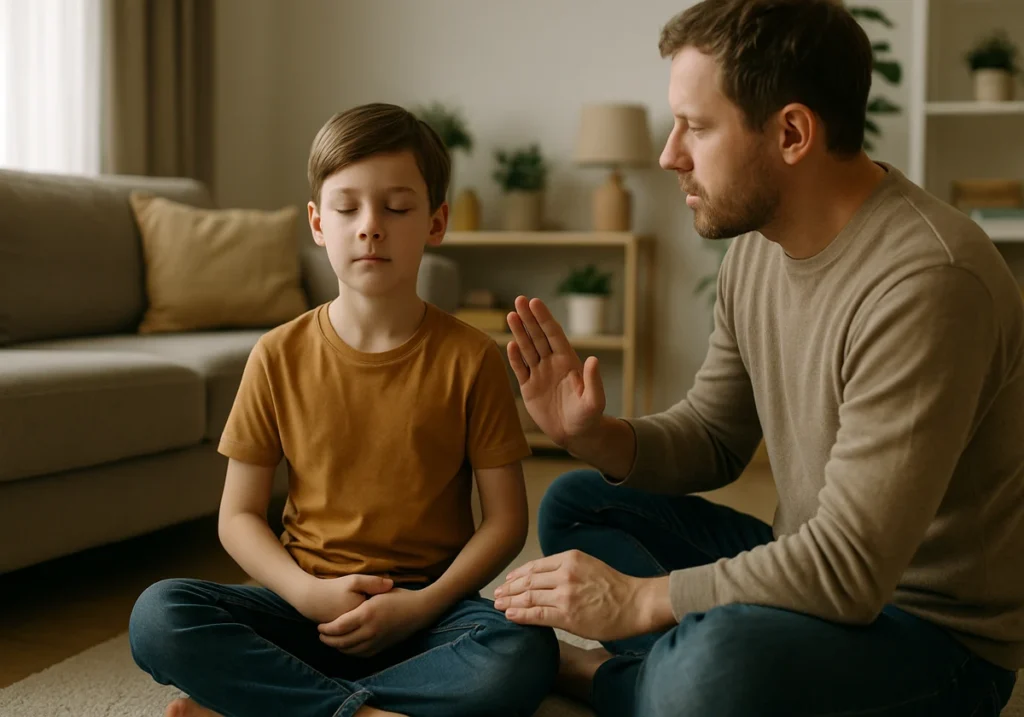
The best part about calming techniques is that your child can use them anywhere, no special equipment or quiet room required (and yes, it works even in loud cafeterias).
Now, let’s explore a few common and popular calming techniques for your kid.
Deep Breathing: Counting Your Way to Calm
Deep breathing slows your heart rate and tells your body it’s safe to relax during stressful situations. When children take deep breaths, they’re hitting a reset button on their nervous system.
To put that into practice, have your child breathe in slowly through their nose for four counts, hold briefly, then breathe out through their mouth for six counts. This way, the longer exhale helps them stay calm and brings stress levels down.
You might be wondering why counting is required. Well, it gives kids something to focus on instead of whatever’s making them anxious. This technique also works at school before tests, or anytime your child feels overwhelmed.
Belly Breathing: Feel Your Body Relax
Belly breathing helps children notice physical sensations of air filling in their stomach instead of shallow chest breathing.
Believe it or not, younger kids learn fastest when you make it playful.
Here’s how to do this: Have your child lie down and place a stuffed animal on their belly. Then, ask them to breathe deeply enough to make the stuffed animal rise, and later watch it come back down.
That’s how focusing on how their body feels helps younger children understand what relaxation actually feels like. At the same time, the stuffed animal keeps them engaged.
Using the Five Senses to Ground Yourself
The five senses exercise helps children pull attention away from anxious thoughts by focusing on what’s around them. It works especially well when kids feel panicked.
To guide them through it, ask your child to name:
- Five things they see
- Four things they hear
- Three things they touch
- Two things they smell
- One thing they taste
And pay attention to how the five senses exercise brings their focus back instead of worrying about later.
Verdict: This calming technique gives kids a clear job when negative emotions start taking over.
Simple Stretches That Release Tension
Physical tension builds in kids’ bodies throughout the day, especially in their shoulders, neck, and hands, from sitting still. This way, when children hold stress in their muscles, it makes them feel more anxious. But here, a quick stretch helps.
Quick stretches like reaching arms toward the sky, rolling shoulders back, or touching toes release physically stored stress. For the best result, add stretch breaks between homework or activities.
Quick tip: You can even practise calming techniques together as a family, as a normal part of your child’s self-care. Sometimes, even 30 seconds of stretching can reduce stress and engage kids’ bodies in healthy ways.
Mindfulness Activities That Help Children Stay Present
Ever watch your child’s mind race from one worry to the next without stopping? That’s when mindfulness activities help the most.
Here’s how to understand it in a simple, child-friendly way.
What Mindfulness Really Means for Kids
You might be wondering what mindfulness actually means in kid terms. It is simply paying attention to the present moment and noticing your thoughts and feelings as they happen, without getting upset about them.
For kids, practicing mindfulness directs them to focus on what’s happening right now instead of worrying about the math test next week. With this kind of present-moment awareness, they build better focus and handle their emotions more smoothly.
Even two minutes of mindfulness meditation can help kids feel calmer and more in control. Plus, teaching mindfulness doesn’t require special equipment. It’s a self-care skill that gets easier with practice.
Guided Meditation Apps and Videos That Actually Work
Guided meditation uses audio or video to lead kids through relaxation step by step with calming voices and peaceful imagery. This way, children can easily follow along rather than trying to work it out on their own.
After trying several apps with families, we’ve found that older children around 8 and up respond well to apps like Headspace for Kids or kid-friendly YouTube channels. Such guidance makes meditation less confusing for beginners.
Parents can also sit with younger children during guided meditation to help them feel comfortable. This helps feel like it’s a calm shared moment rather than something that feels like a chore.
Mindful Movement Instead of Sitting Still
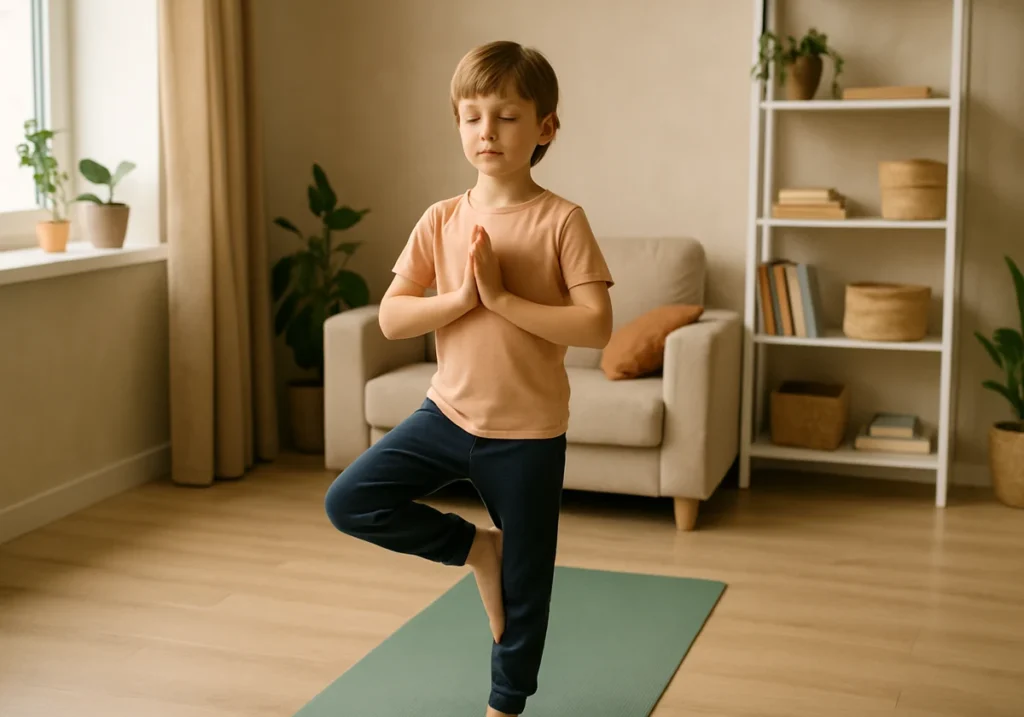
Not every child can sit quietly for meditation, and that’s perfectly fine. That’s why mindful movement is helpful, because it combines physical activity with awareness, so active kids can still practise mindfulness.
For instance, slow walking where they notice each step, gentle yoga poses, or paying attention to how their body feels while moving all count as mindful movement. When kids focus on physical sensations during movement, they’re practising the same mindfulness skills as sitting meditation, only in a way that suits their energy. (Interesting, right?)
Mindfulness Exercises Using Everyday Objects
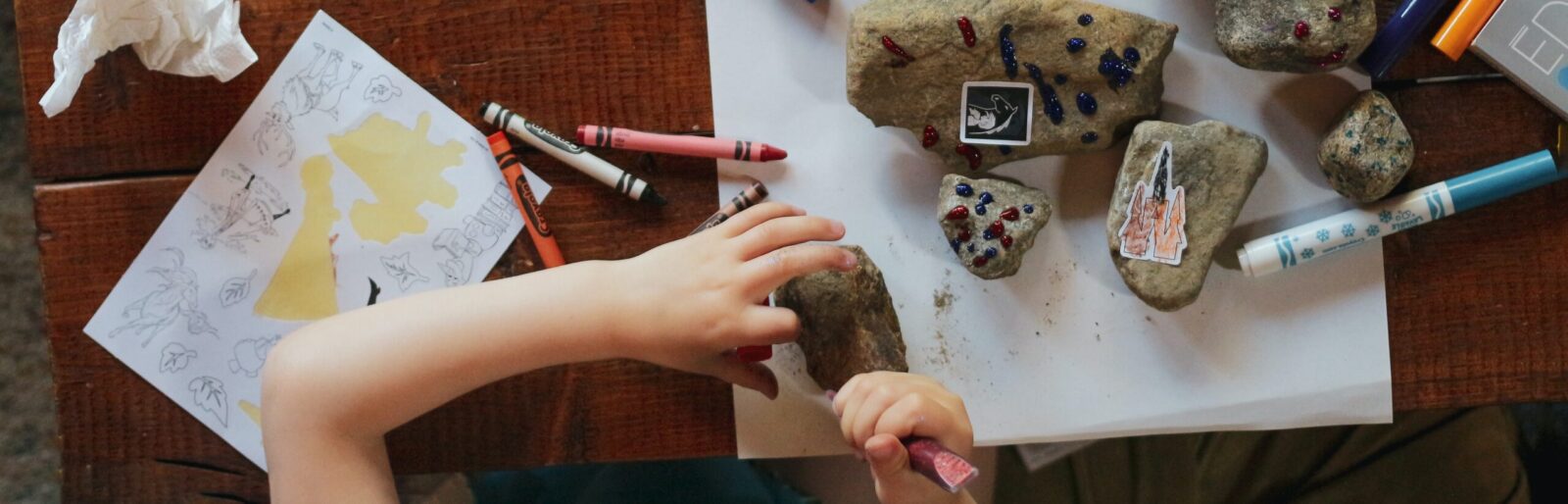
Kids can practice mindfulness by focusing on ordinary things like eating a snack slowly or holding a smooth rock. These easy mindfulness exercises teach children that calm moments exist everywhere, not just during formal meditation.
Try “mindful eating” with a single raisin or chocolate chip. Gradually, have them look at it closely, smell it, then eat it slowly while noticing every detail. Teaching children such awareness builds self-awareness and helps them engage fully.
Building Calm Into Everyday Moments
Now that you’ve got some calming techniques to try, let’s look at how to weave them into your daily routine.
Morning Routines That Set a Peaceful Tone
Starting the day calmly helps kids feel grounded before the rush of school and activities begins. So try waking up a few minutes earlier for a quiet breakfast time or simple stretching before getting dressed. Besides, ask your child what helps them feel ready for the day.
And when you build those routines, peaceful mornings create positive momentum that carries through the entire day for children and parents.
Healthy Eating Habits That Support Emotional Balance
Balanced meals with protein, whole grains, and fruits keep energy steady and prevent the grumpy hangries (we’ve all seen the post-candy meltdown). If kids skip meals or eat too much sugar, they feel anxious, irritable, or unable to focus properly.
That’s why healthy eating helps children manage stress by keeping their bodies balanced. Adults can model this by keeping healthy options visible and talking about how different foods make us feel.
Evening Wind-Down Activities Before Bed
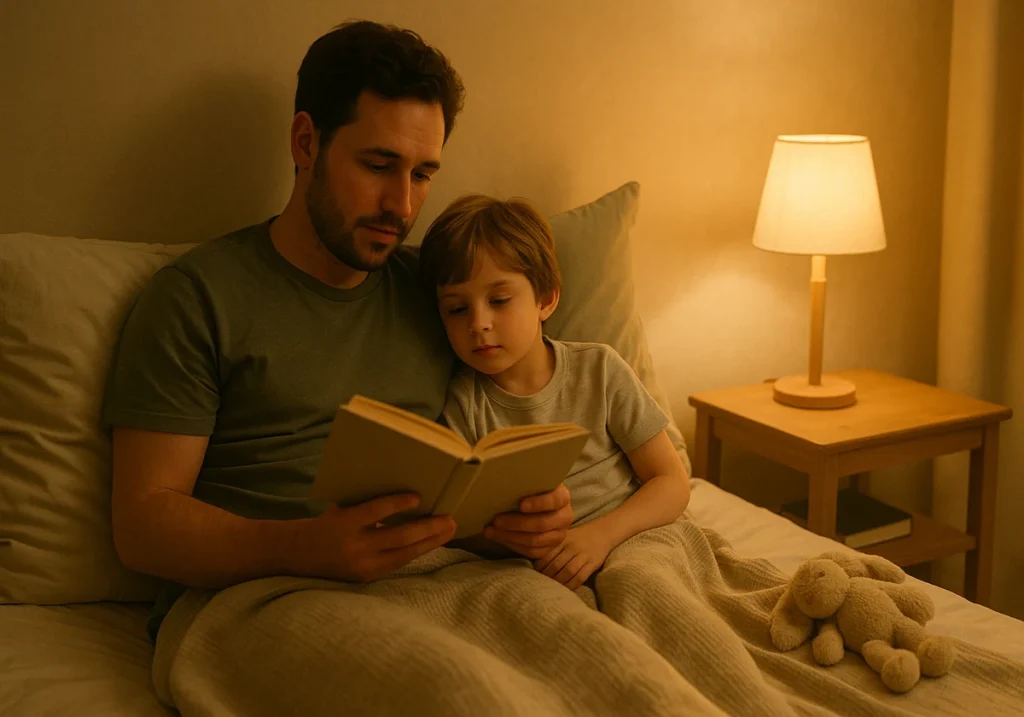
Evening routines help kids shift from screen time into a more restful state for quality sleep. From there, simple activities like reading together, taking a warm bath, or practising gratitude signal the brain that bedtime is getting close. Finally, to finish the day on a warm note, ask your child about their favourite part of the day.
Our tests revealed that consistent wind-down habits improve sleep quality, which impacts how well children handle stress the next day. And when families make self-care practices a priority, the benefits show up in better focus and improved well-being.
Small Moments Add Up to Big Changes
Teaching kids calm habits today gives them lifelong skills for handling tough feelings when life feels overwhelming. And you don’t have to bite the bullet and implement everything at once.
Start with just one or two techniques that feel natural for your child’s personality. Remember, when families practice together, kids learn faster and feel more comfortable. If needed, ask your child which calming methods they want to try first.
That’s how, every small moment of calm your child practices builds their confidence over time.
At Litill, we create resources and tools designed to help children develop essential life skills through engaging, age-appropriate activities that make learning fun.
Contact us for a free consultation today.