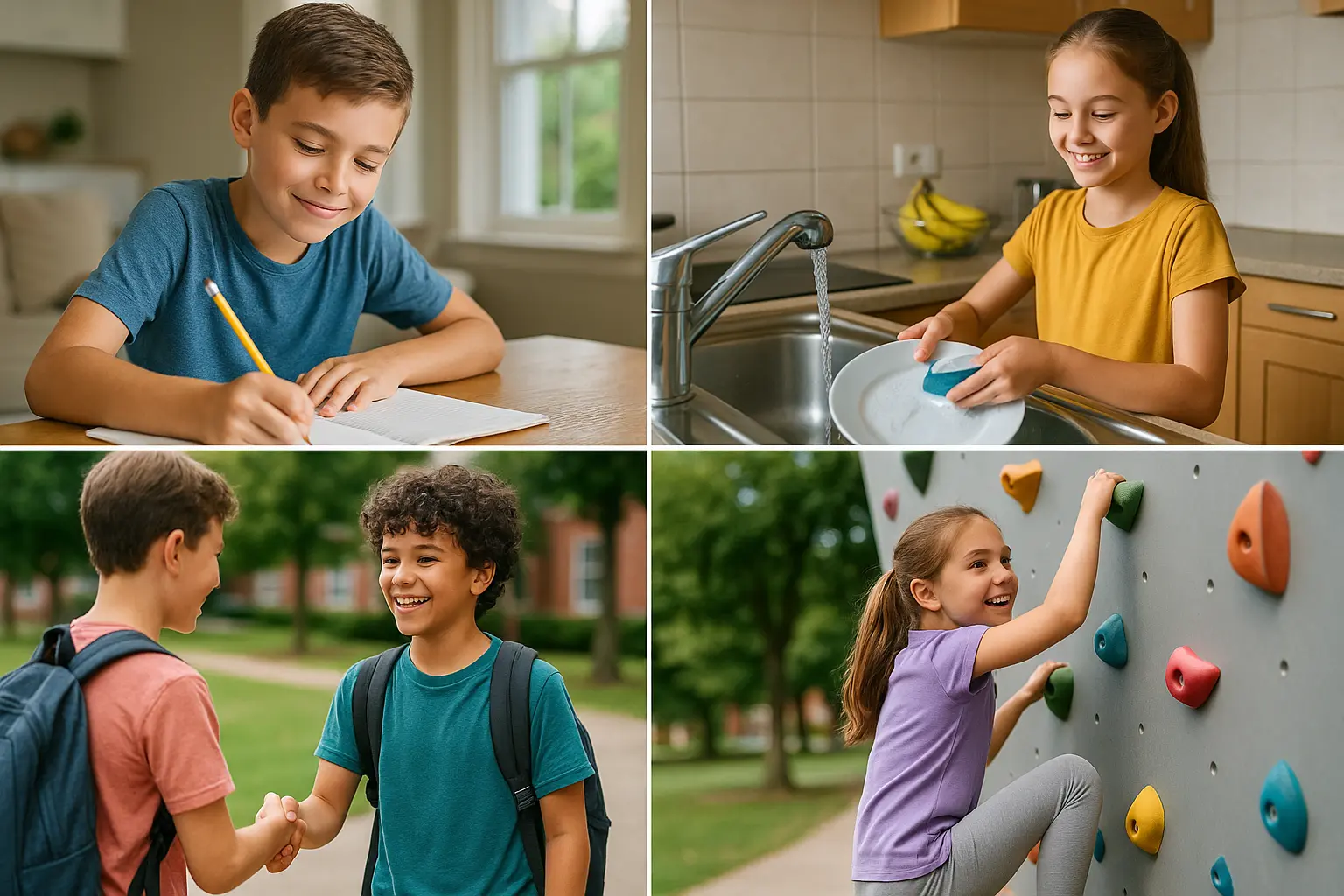
Kids build confidence through small daily wins like finishing homework, helping with chores, making friends, or trying something difficult. Child confidence building happens in these tiny moments that teach children they’re capable, and over time, that belief sticks.
If you’ve watched your child hesitate or say “I can’t,” you know how helpless that feels. You want them to feel brave and capable, but you might not know where to start. We’ve worked with families facing this exact struggle, and here’s what we’ve learned.
In this article, we’ll cover:
- Understanding what confidence means for kids
- Why daily victories outweigh big achievements
- Practical ways to encourage your child at home
- Helping children bounce back from setbacks
Let’s figure this out together.
What Does Child Confidence Building Really Mean?
Child confidence building helps kids trust their abilities and feel good about themselves. It happens through everyday successes and consistent encouragement from parents.
In daily life, this looks like celebrating when children finish small tasks. It means letting kids make choices and watching them handle setbacks without falling apart (and no, we’re not talking about participation trophies for breathing).
Confident kids develop a sense of self that grows from effort and persistence. They try new things even when nervous, bounce back from mistakes, and trust themselves through challenges. Their child’s development accelerates because they believe in what they can do. So why do these daily victories count?
Small Wins vs Big Goals: Why Daily Victories Build Confidence
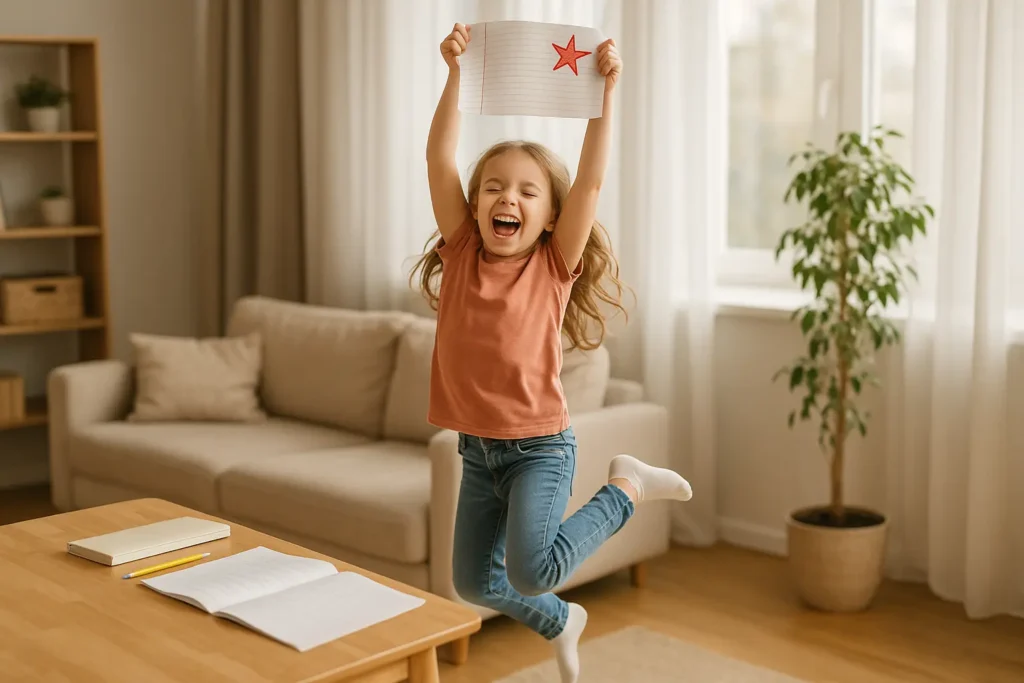
Daily victories build confidence by creating frequent success experiences that children can see and feel. Let’s be honest: most parents praise the big report card, not the homework finished on time. These everyday wins change how kids see themselves and their abilities.
Small Wins Create Momentum
Daily victories eliminate fear and replace it with genuine excitement. When kids succeed at small tasks, they feel capable and willing to try more (most children avoid challenges not because they’re lazy, but because they’re scared).
Each tiny win reduces the fear of failure and builds excitement about learning something new.
Daily Success Fights Low Self-Esteem
Low self-esteem develops when kids hear more criticism than praise, but celebrating small wins reverses this pattern completely.
In our work with families, we’ve seen how consistent recognition turns anxious children into willing learners. Their brain’s reward system responds and reinforces their belief in themselves. Kids start to see they’re capable of doing things well.
Why Self-Worth Lasts
Daily wins create self-worth that lasts because children learn their value comes from effort and growth. This internal sense helps kids stay confident even when facing peer pressure at school.
So what can you do at home to boost this confidence?
Simple Ways to Boost Confidence at Home
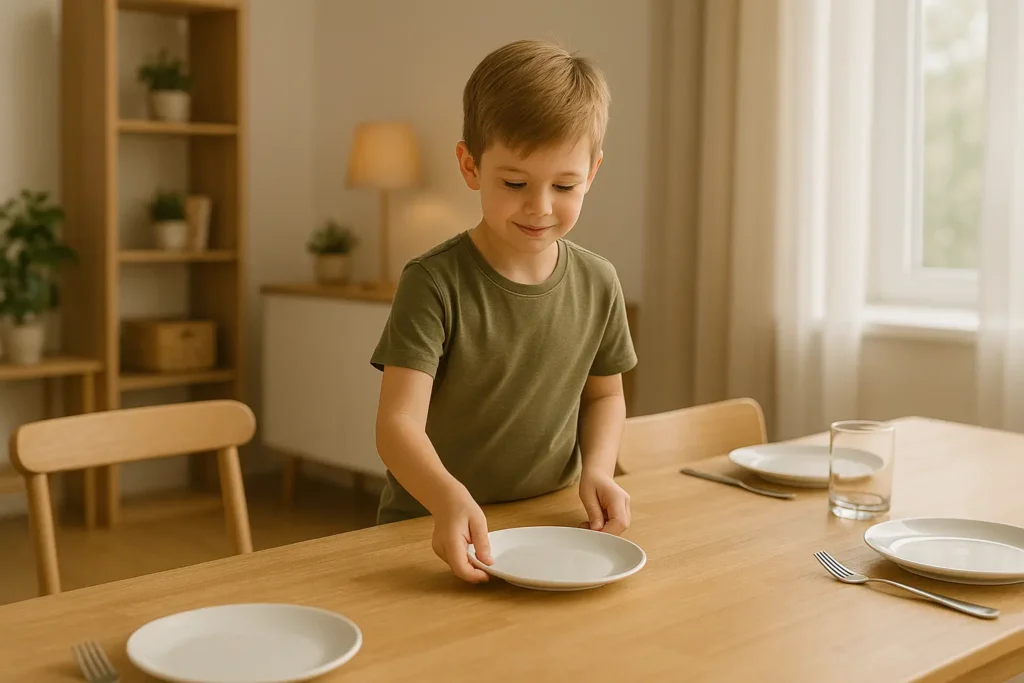
Start boosting confidence at home by giving kids age-appropriate responsibilities and offering specific praise for their effort. Hand children simple tasks like setting the table or feeding pets, and they’ll feel trusted and capable. Once they get the hang of these responsibilities, they’ll ask for more challenging ones.
And that’s where things get interesting.
How you praise counts too. Say “you worked hard on that puzzle” rather than just “good job.” Kids need to understand what they did well. When you focus on effort rather than outcomes, children learn that trying hard has real value and builds their self-esteem.
Beyond responsibilities and praise, let kids choose their clothes, snacks, or after-school activities. These small choices build decision-making skills and independence.
When children feel some control, confidence grows naturally. They learn to trust their judgment, and that trust helps them handle challenges with friends at school. But what about when kids struggle?
How Do Kids Handle Hard Times?
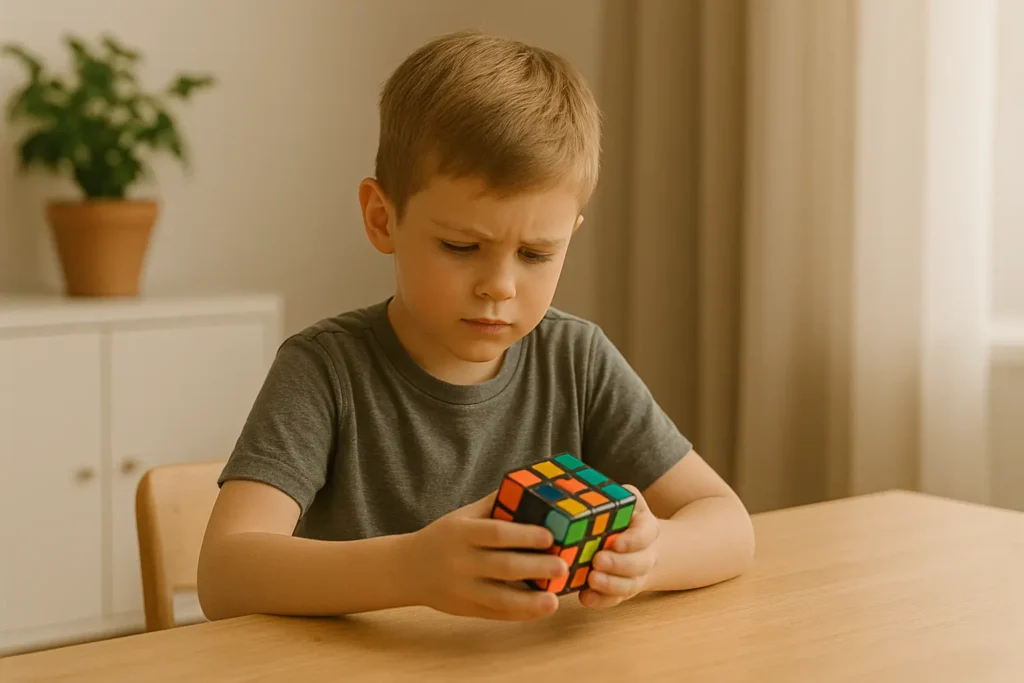
Kids handle hard times by working through challenges with support, not by avoiding them. Every child faces moments when tasks feel too hard or when they fail. Through our experience supporting parents, one pattern emerges: children who face manageable struggles grow more capable.
Hard work teaches them that setbacks are temporary, not permanent. When kids push through difficulties without giving up, they learn failure isn’t shameful. Parents can support without rescuing by asking, “What could you try next?” When you hit the nail on the head with that question, you’re coaching instead of solving.
Kids who experience productive struggle develop problem-solving skills. They understand that effort leads to improvement. The silver lining? Every hard time becomes a confidence builder when handled right. Your children also learn by watching how you handle challenges.
Modeling Confidence: What Your Child Learns from Watching You
Your child learns confidence by watching how you handle mistakes and everyday challenges. Believe it or not, your kids are watching everything you do. They pick up on these behaviors:
- Admit mistakes calmly: When you spill coffee and say “oops, I’ll clean that up” without getting upset, kids learn that errors aren’t disasters worth stressing over. They start handling their own mistakes with the same calm attitude.
- Willingness to try: You attempt a new recipe, even when it flops. Children see that taking risks counts, even when things don’t turn out perfectly. This encourages them to try new things at school without fear of getting it wrong.
- Think out loud: Sharing your decision-making process shows kids that feeling uncertain is normal. Talking through options helps them learn to work through problems the same way.
Parents who model confidence raise confident kids because children learn more from what you do than what you say.
Start Celebrating Today
Building your child’s confidence doesn’t require expensive programs or perfect parenting. Small daily wins create lasting self-esteem faster than you think. When kids feel capable through everyday tasks and your genuine encouragement, confidence grows naturally right in your own home.
We’ve covered what confidence means for kids and why small victories count. You’ve learned practical ways to encourage children at home, how they handle setbacks, and why your example teaches more than words.
Start tonight by celebrating one small win before bedtime. Your child is already doing incredible things. At Littil, our team will take you through every resource you need to support your child’s physical and mental development with lasting confidence. Let’s build that confidence together.